

Team
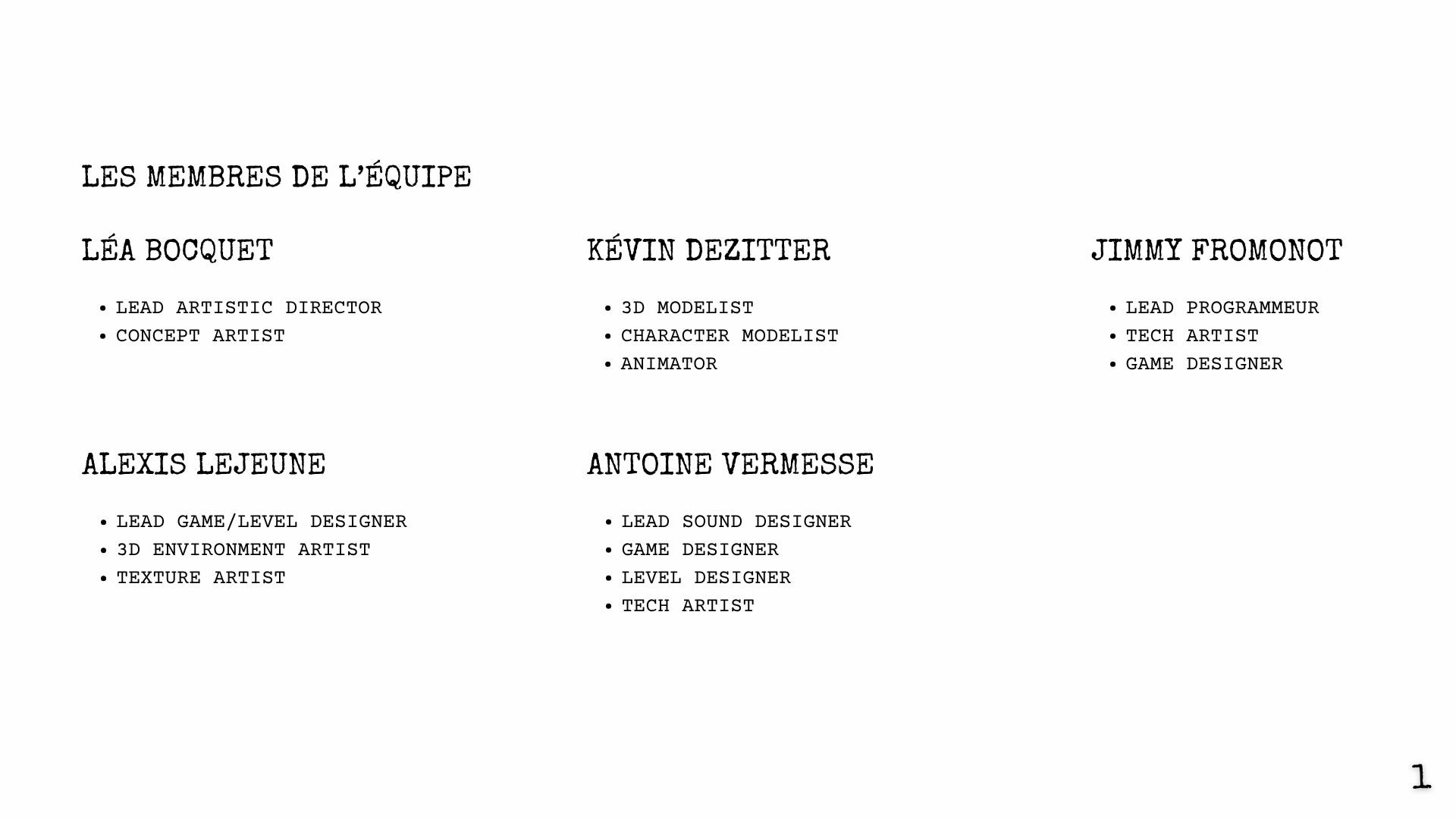
5 members

Engine
Unreal

Strong point
Blockout iterations
GDD
Environment storytelling
Role
Level Designer
Game Designer
Environment Artist
Context
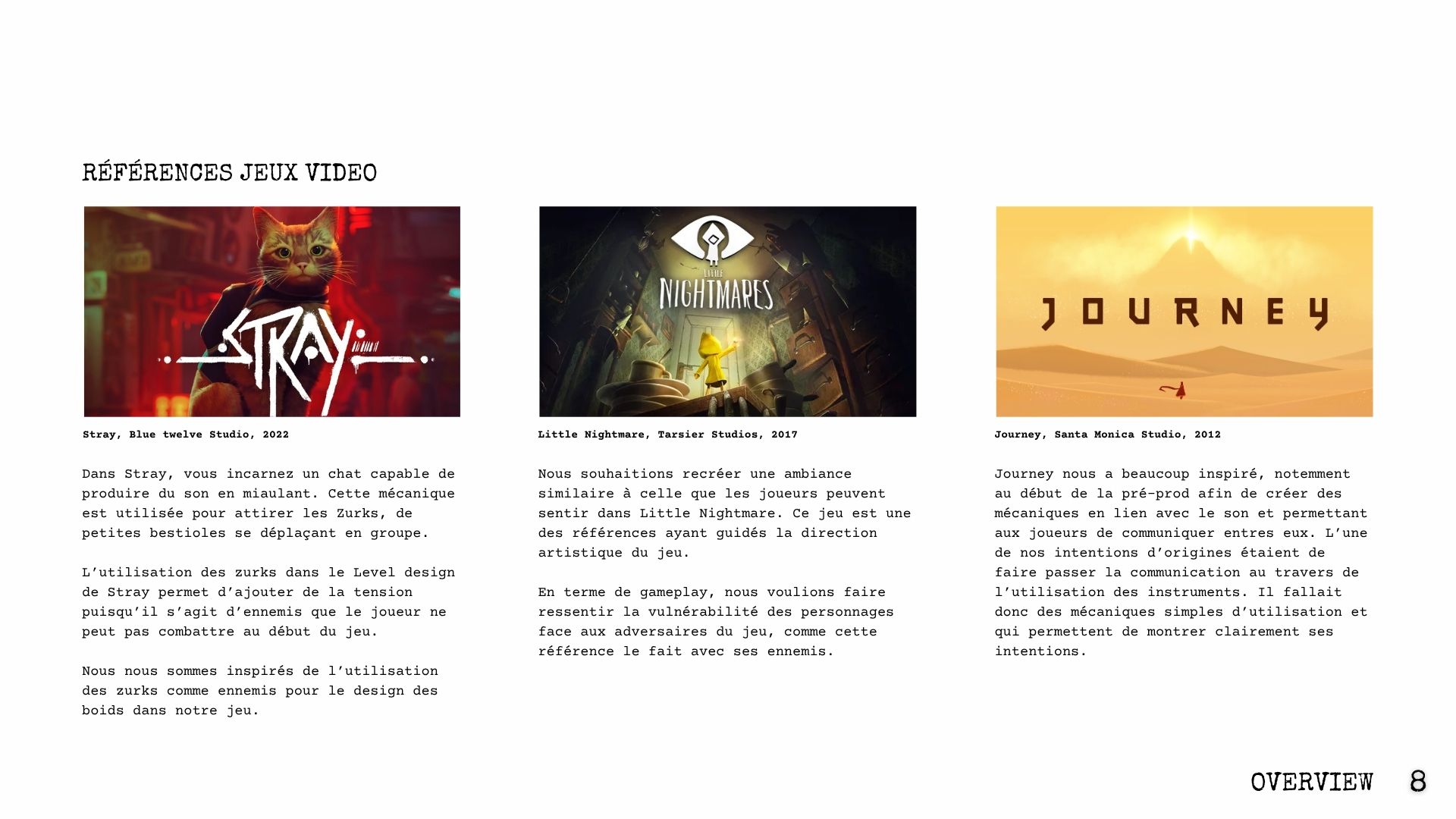
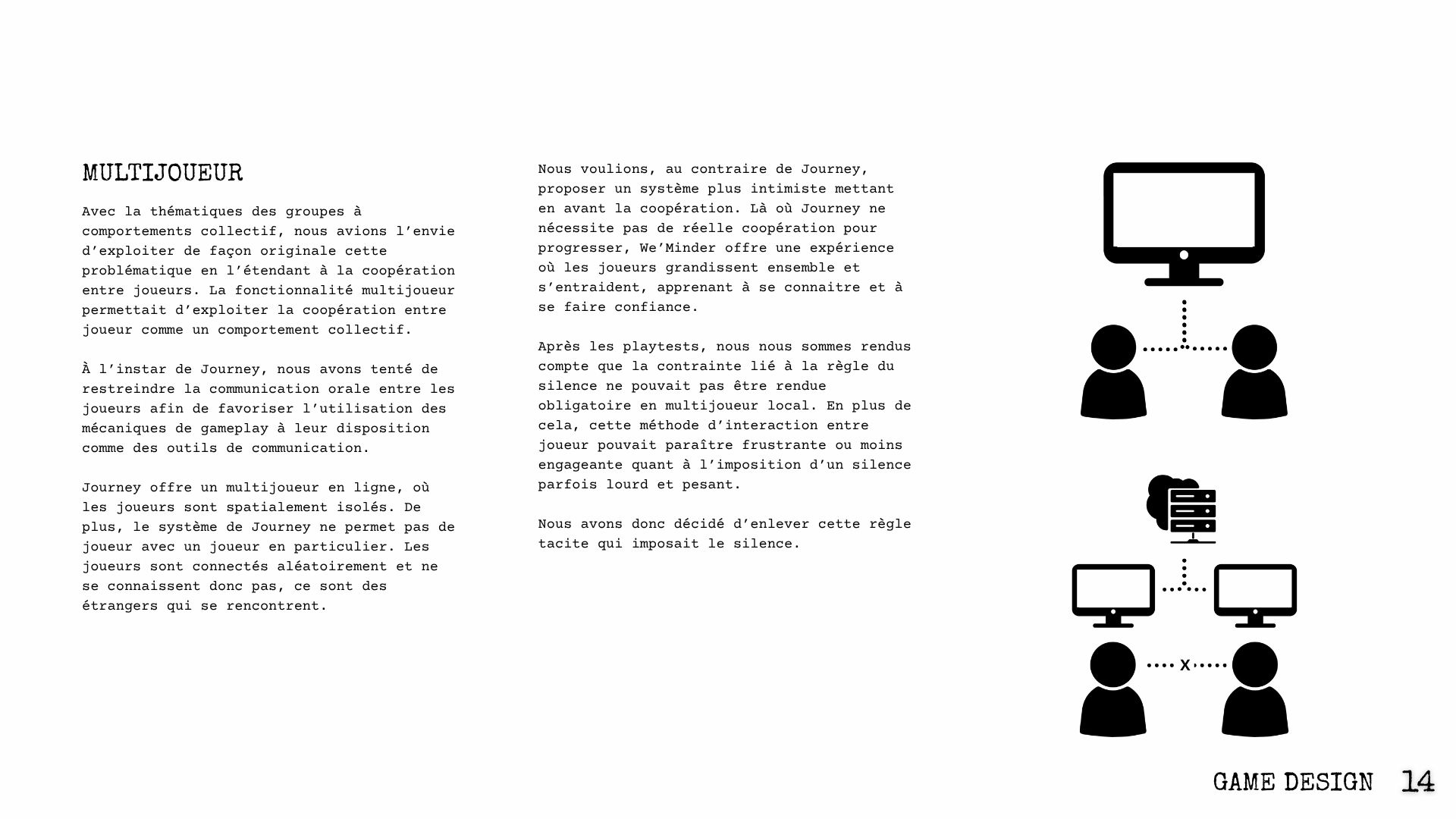
During my third year at ICAN Lille, we developed an advanced prototype of a narrative co-op puzzle game over the course of five months. The theme of the project was: “How can Game Design integrate collective behavior groups in a video game?”. The objective was to draw a parallel between swarm-like collective behaviors and two-player, where player interactions evolve dynamically throughout the cooperative experience.
My Work
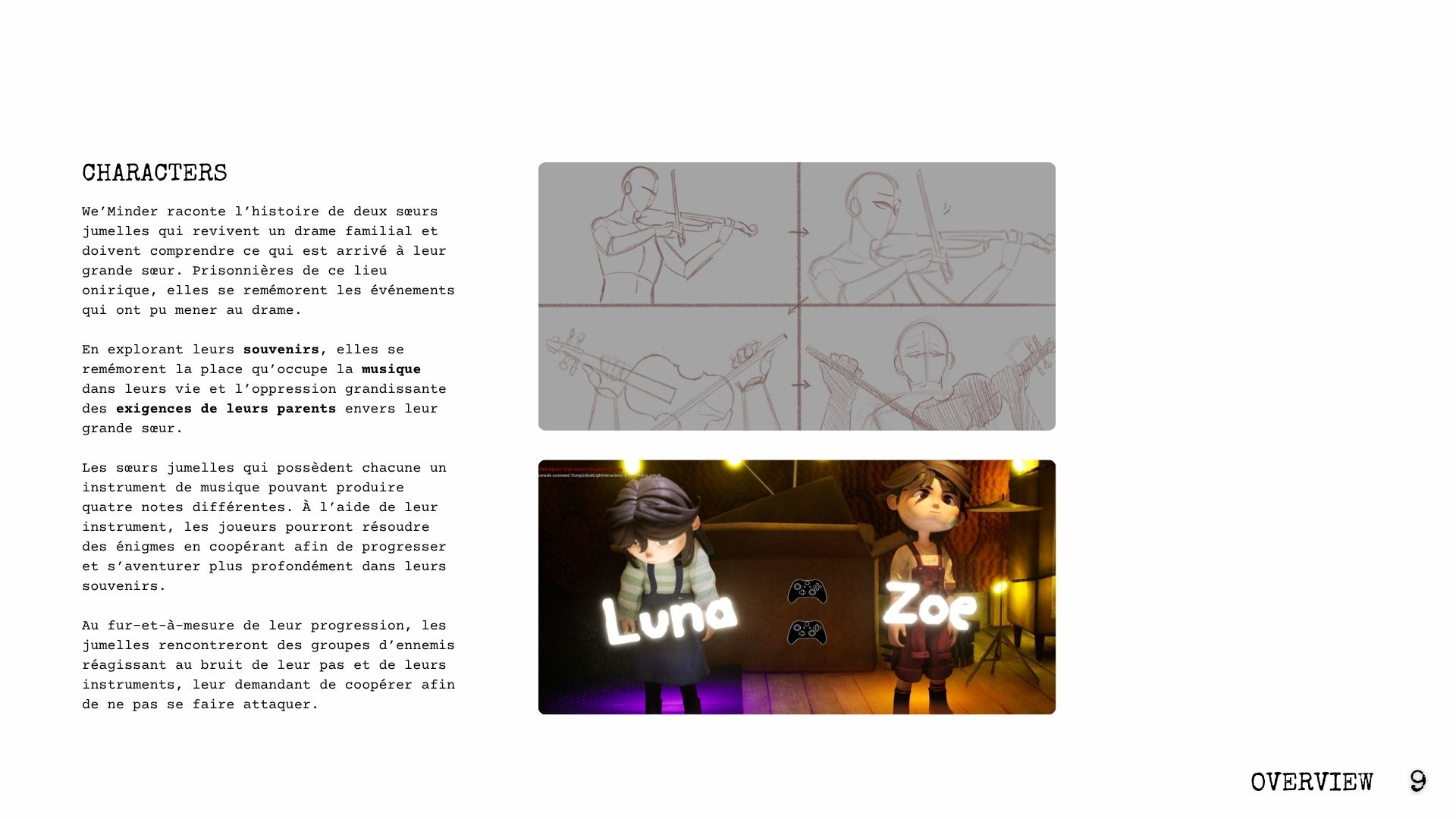
In this project, I was responsible for the game design and the mechanical impact of each system within the game. I handled all aspects of environmental modeling, texturing and the level design. I also took care of the lighting setup with Antoine Vermesse to enhance the overall atmosphere and player experience.
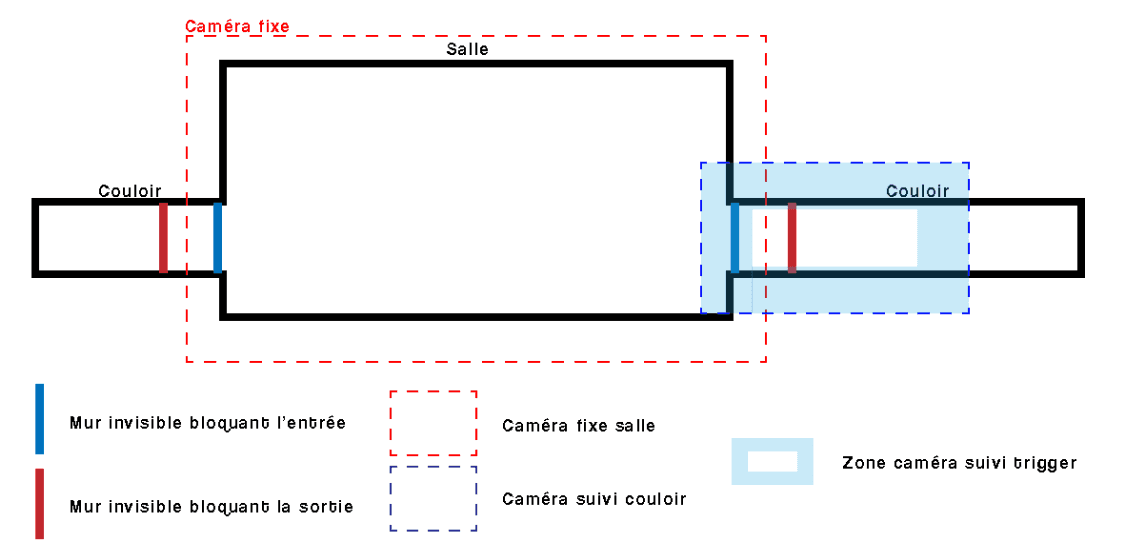
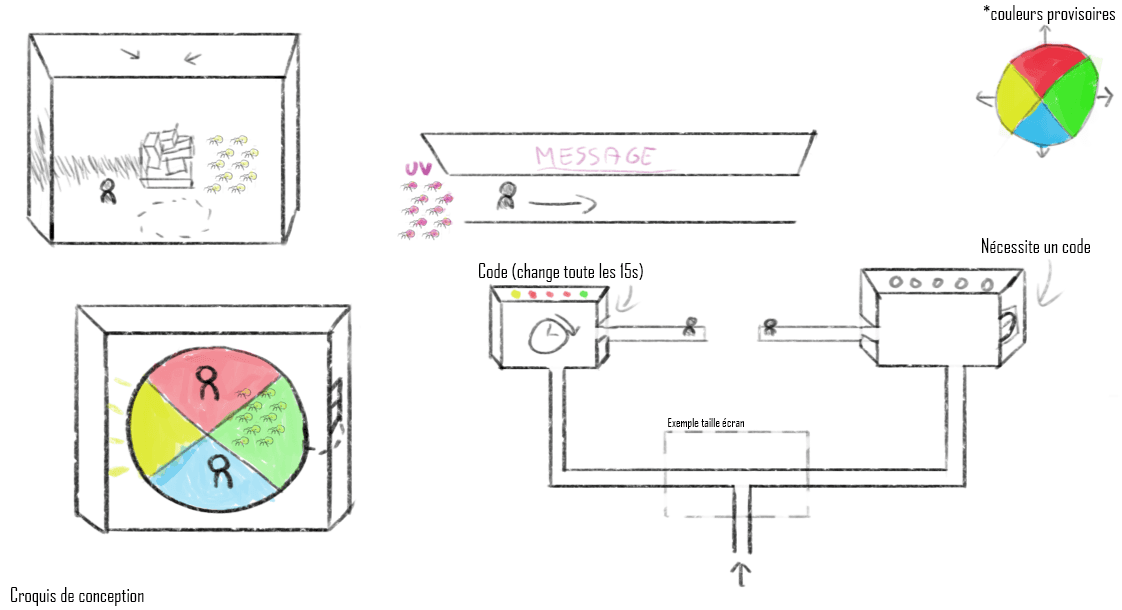
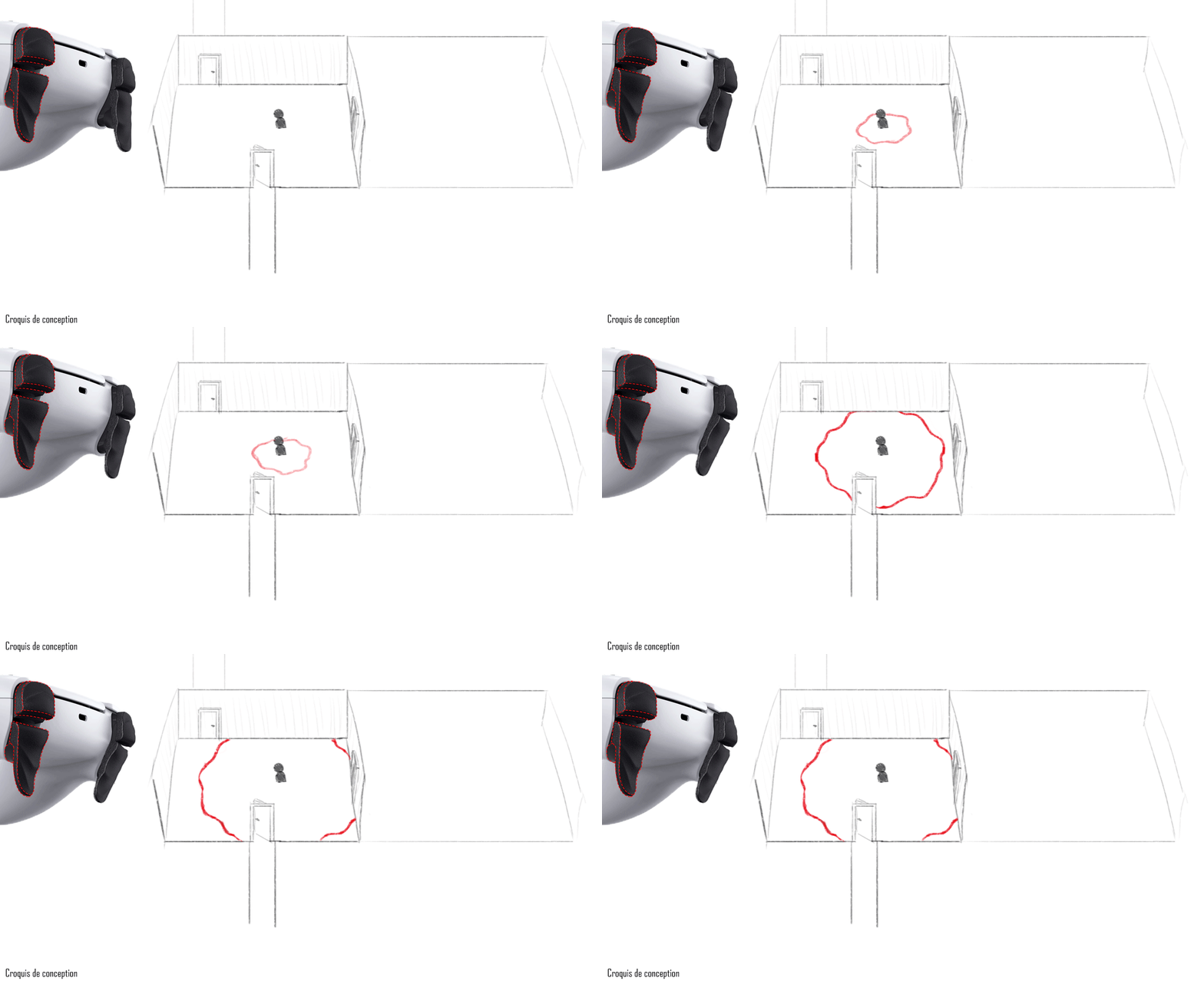
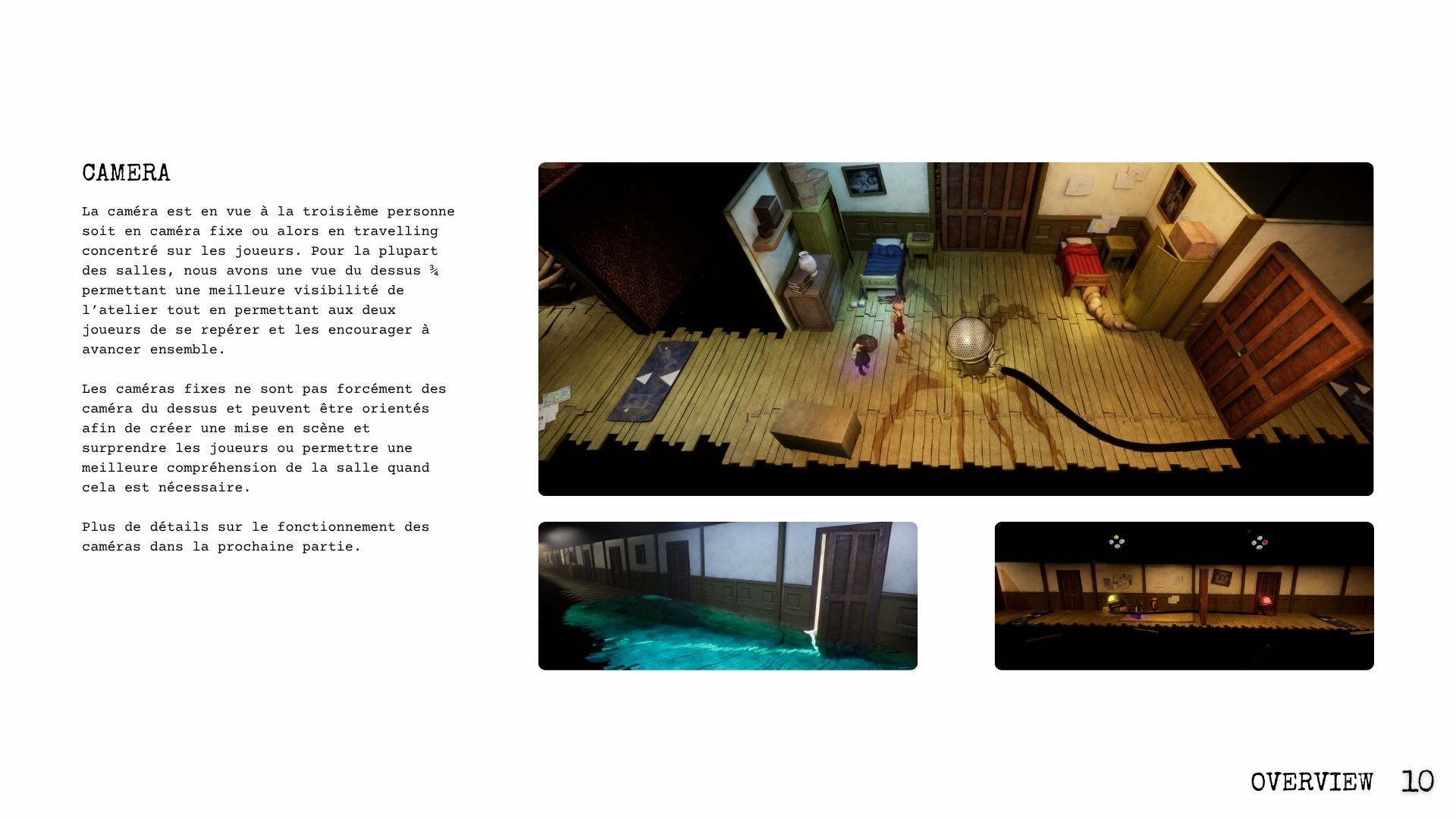
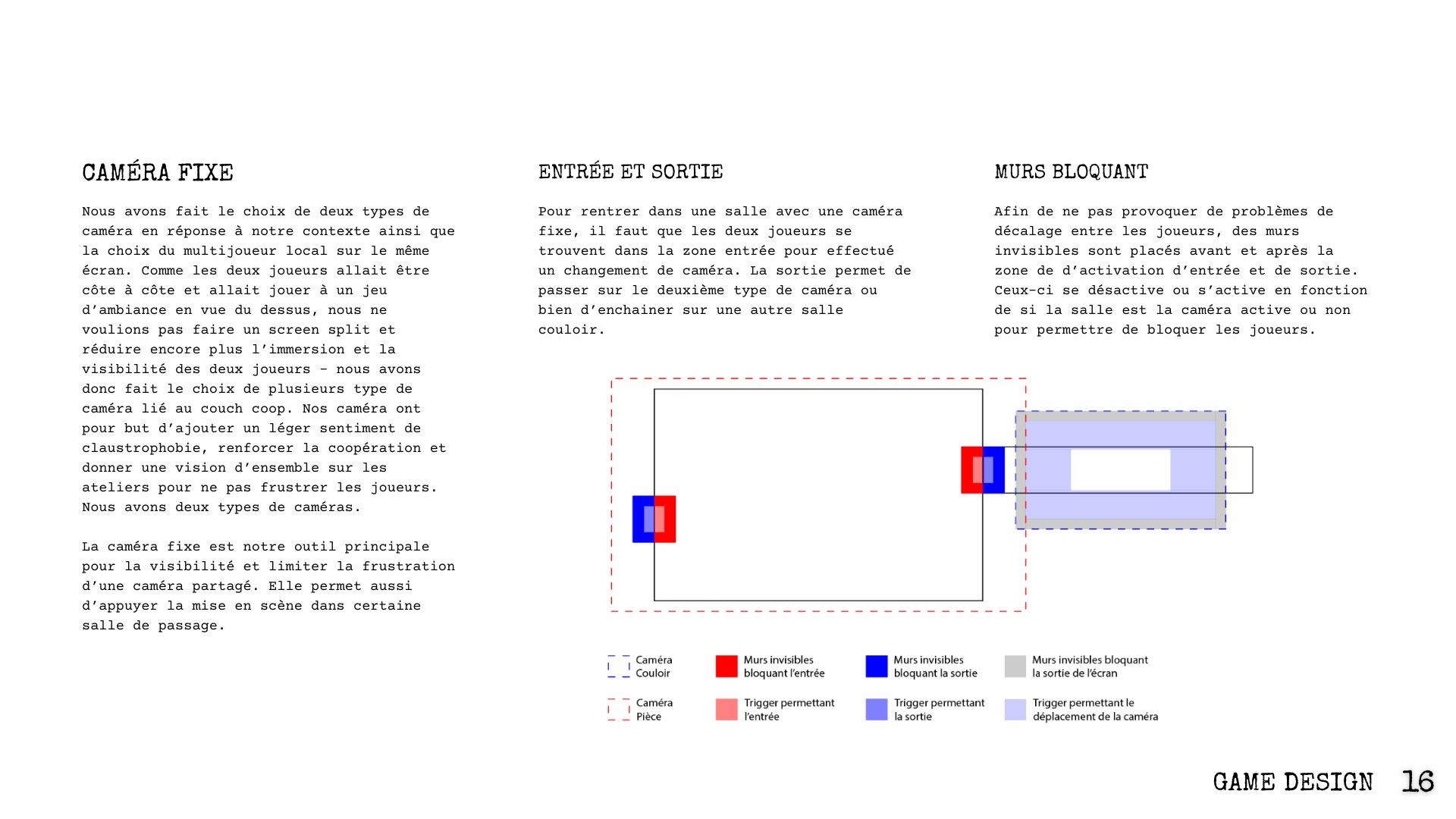
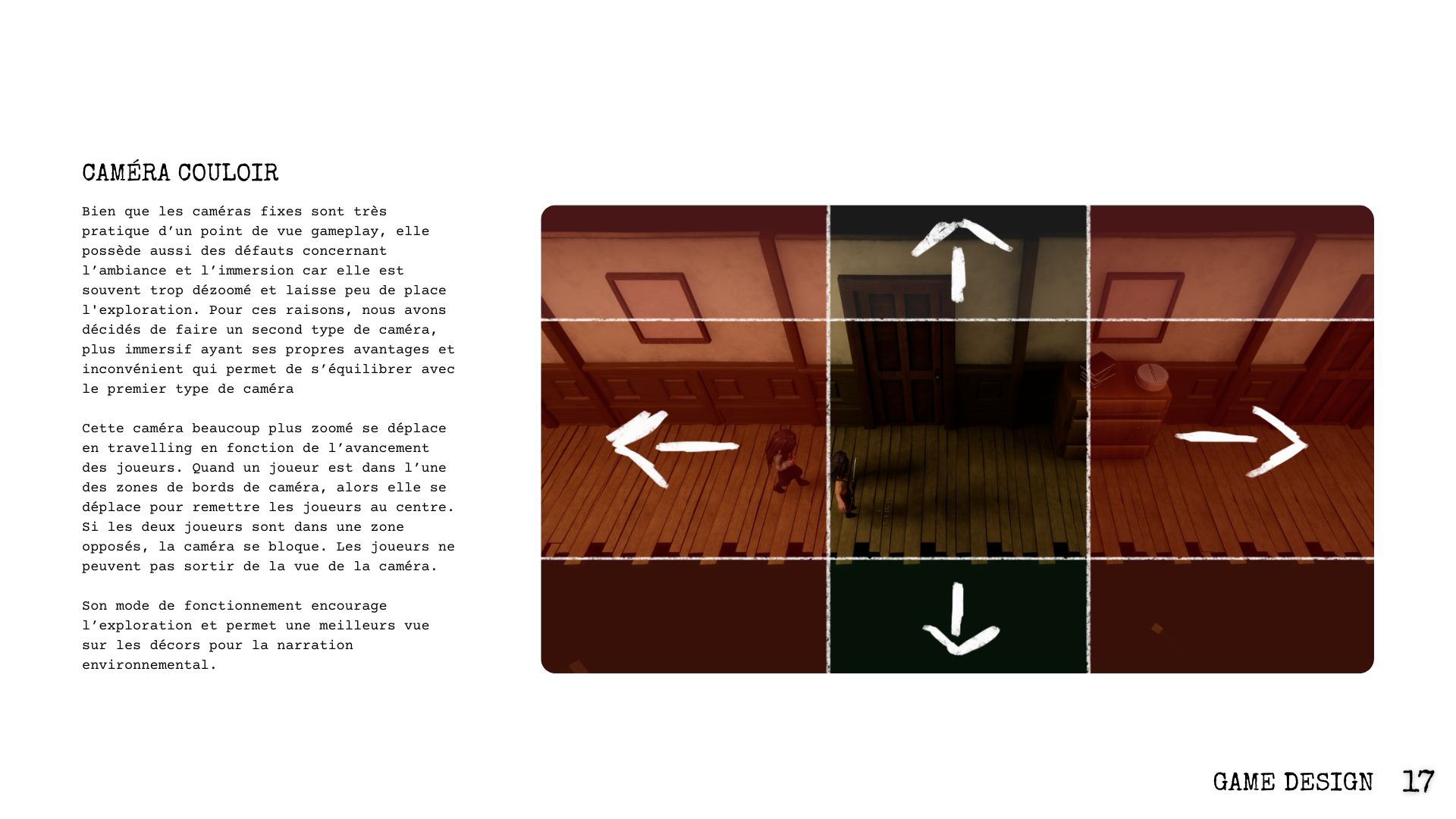
After deciding on local co-op due to time constraints, we knew both players would share the same screen. This limitation led me to design a set of camera rules, based on two behaviors: a fixed camera and a side-scrolling corridor camera. Both camera types required invisible wall systems to encourage players to wait for each other and progress together without leaving the camera’s view. For the side-scrolling camera, if players move in opposite directions, the camera locks in place, making it impossible to go off-screen - reinforcing cooperation and synchronized movement.
Designing camera comportement
Sketches puzzle design
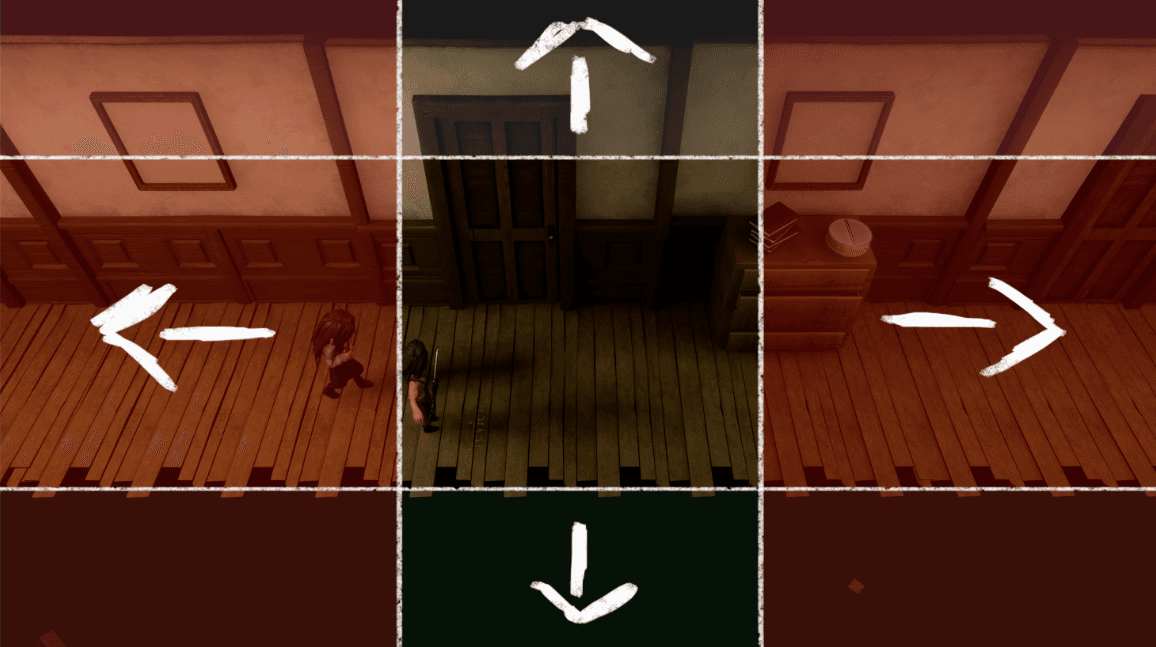
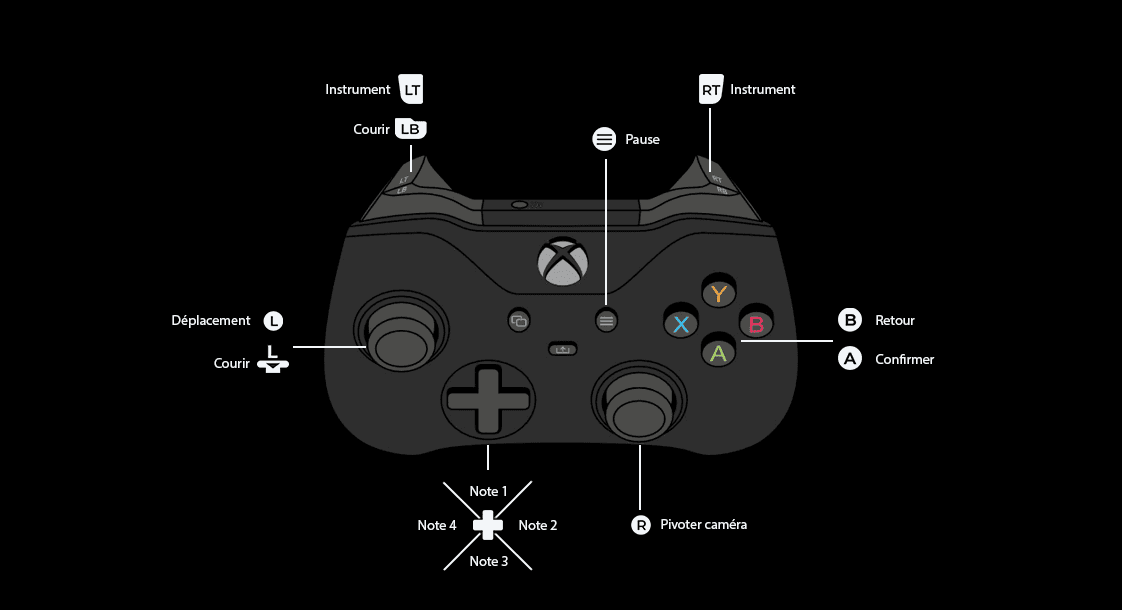
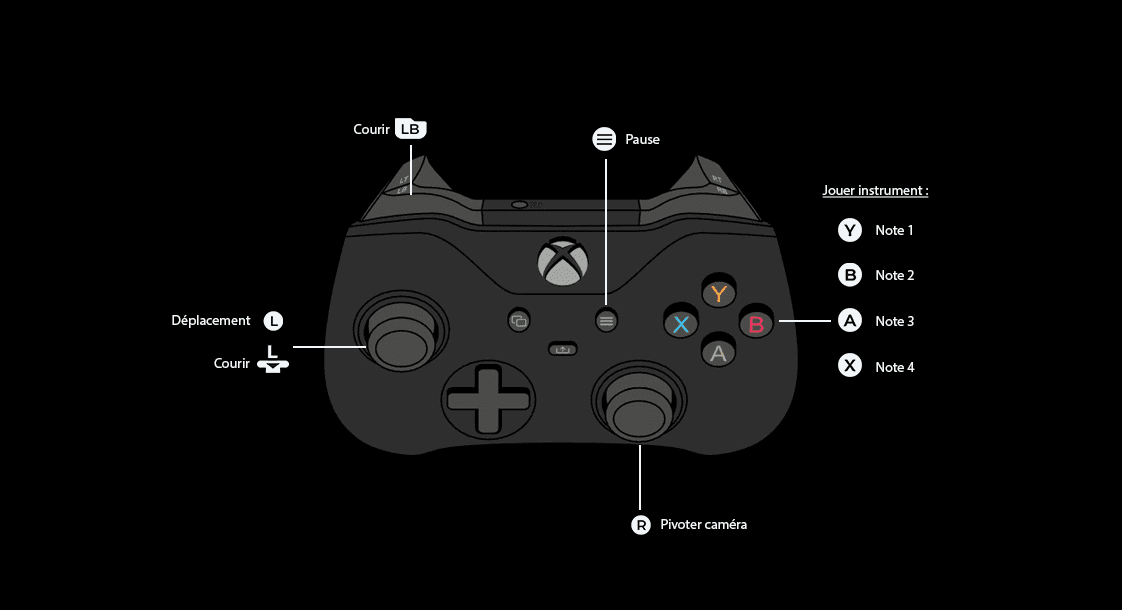
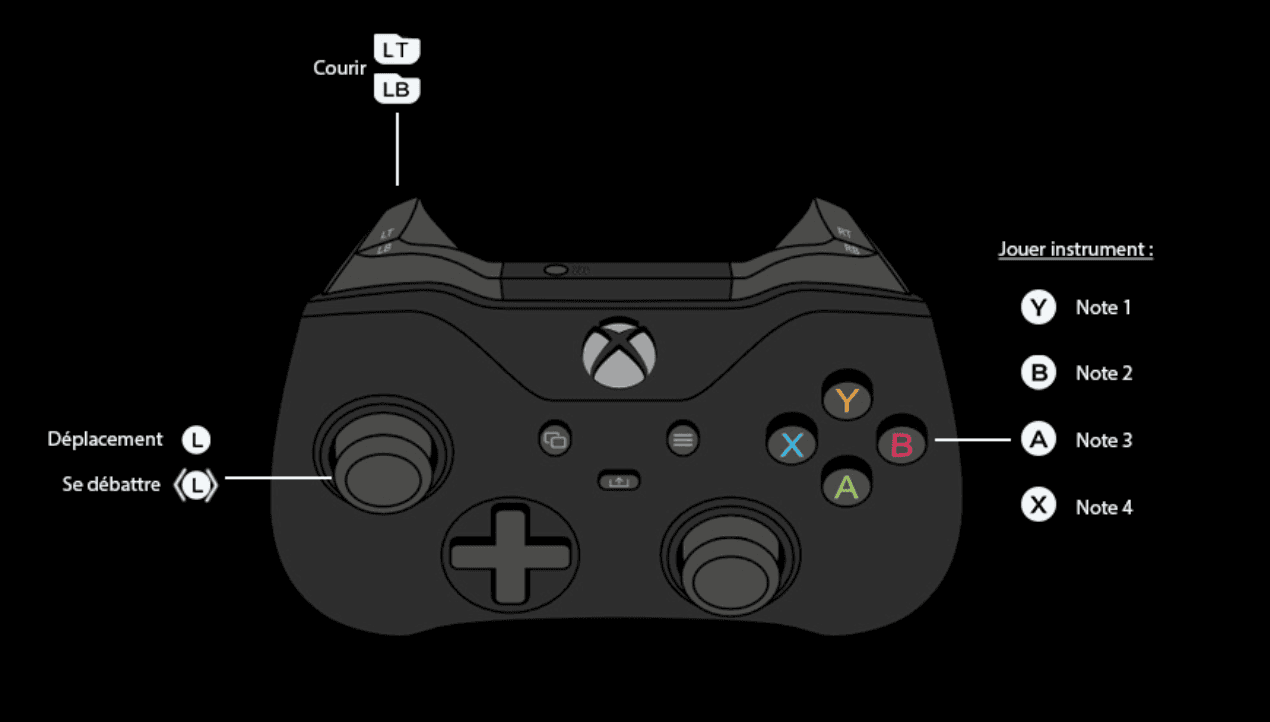
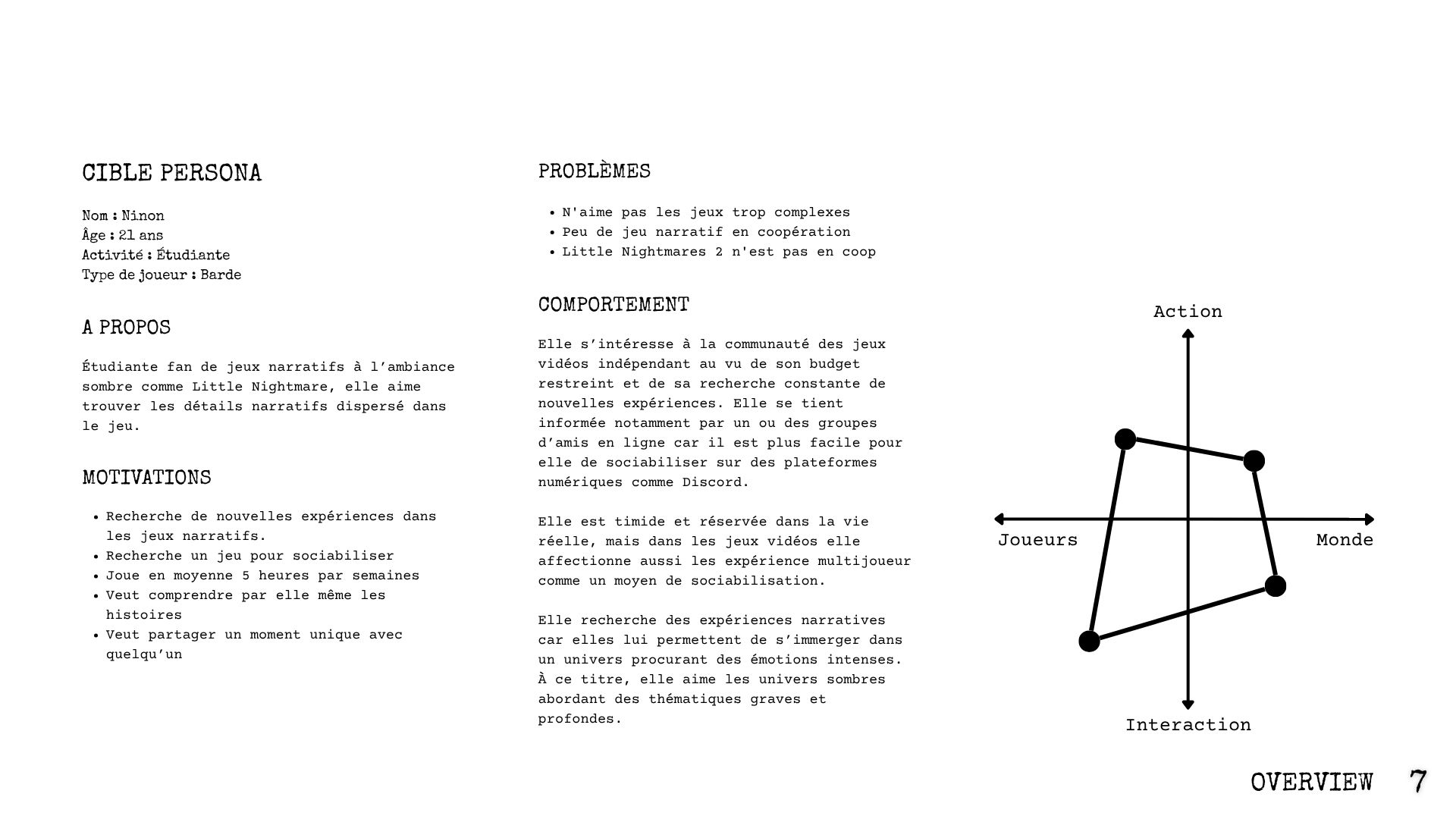
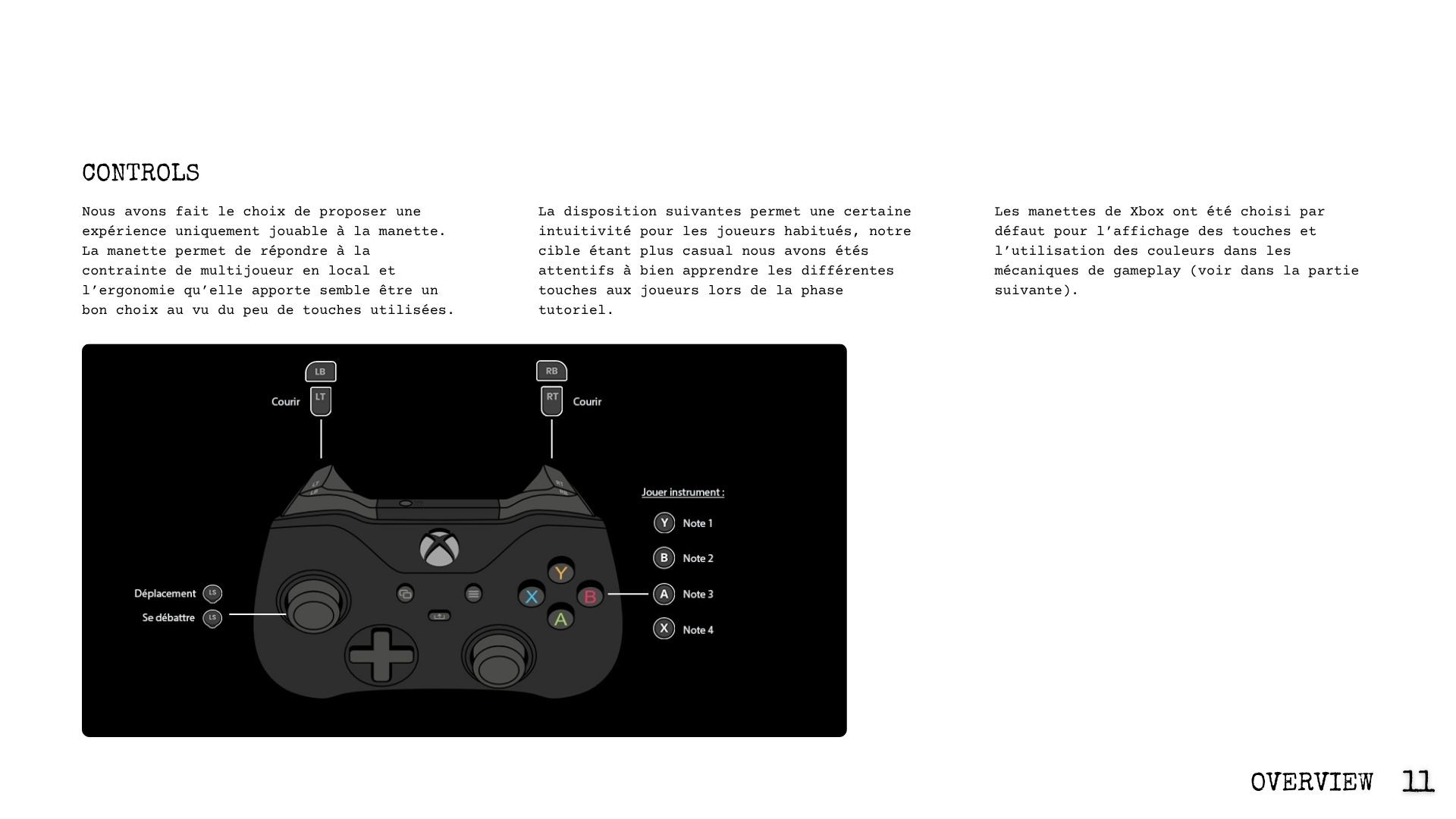
When designing the controls for the game, I kept our target persona in mind. Our goal was to create an experience that would be accessible to a casual audience, while still offering enough depth to engage midcore players. We iterated on the controls multiple times throughout development to simplify them and create a more intuitive and natural way for players to interact with the world.
V1
V2
Evolution of the controls
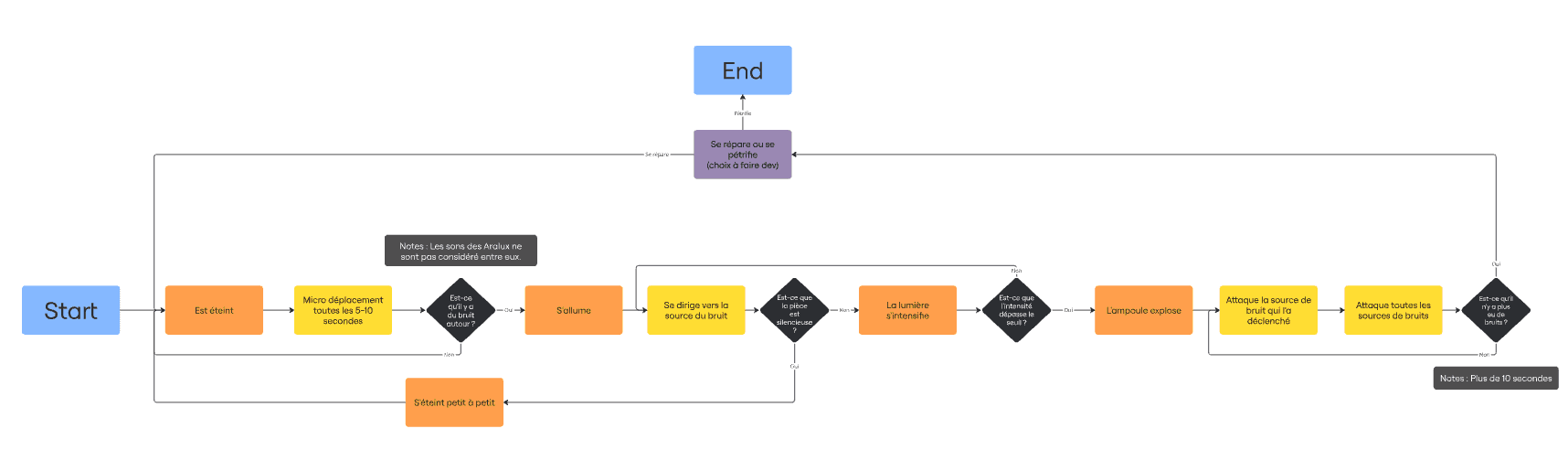
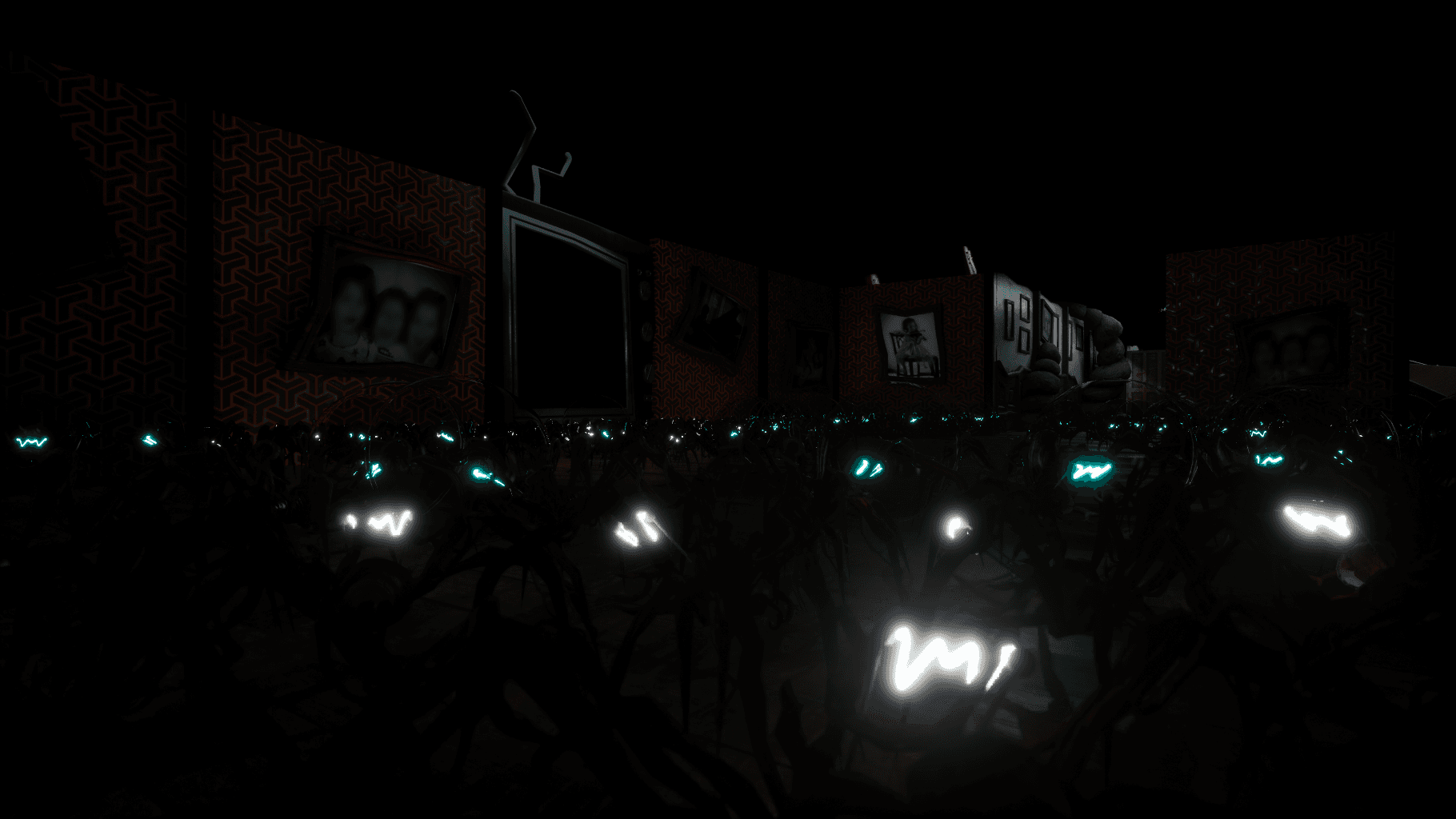
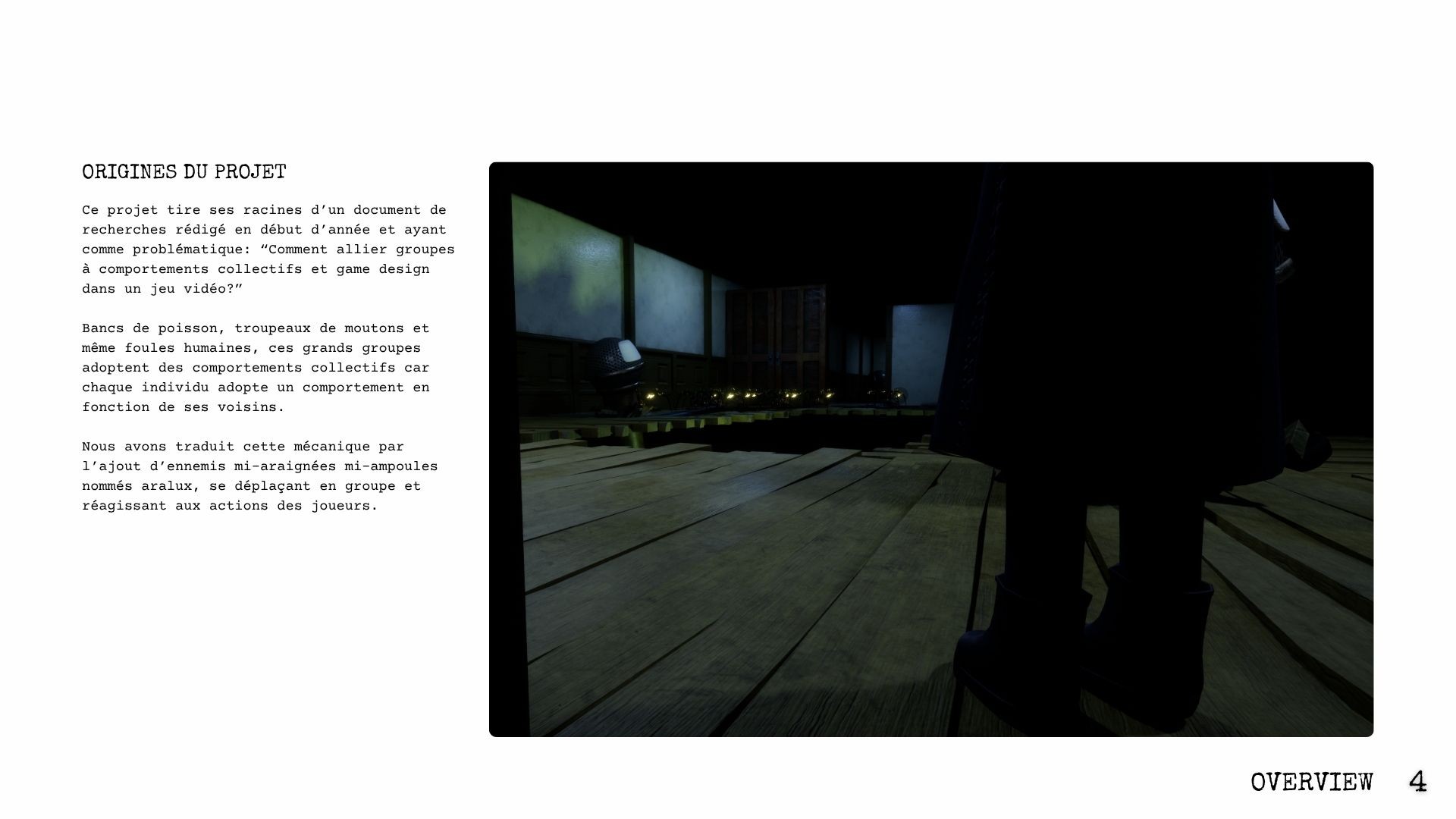
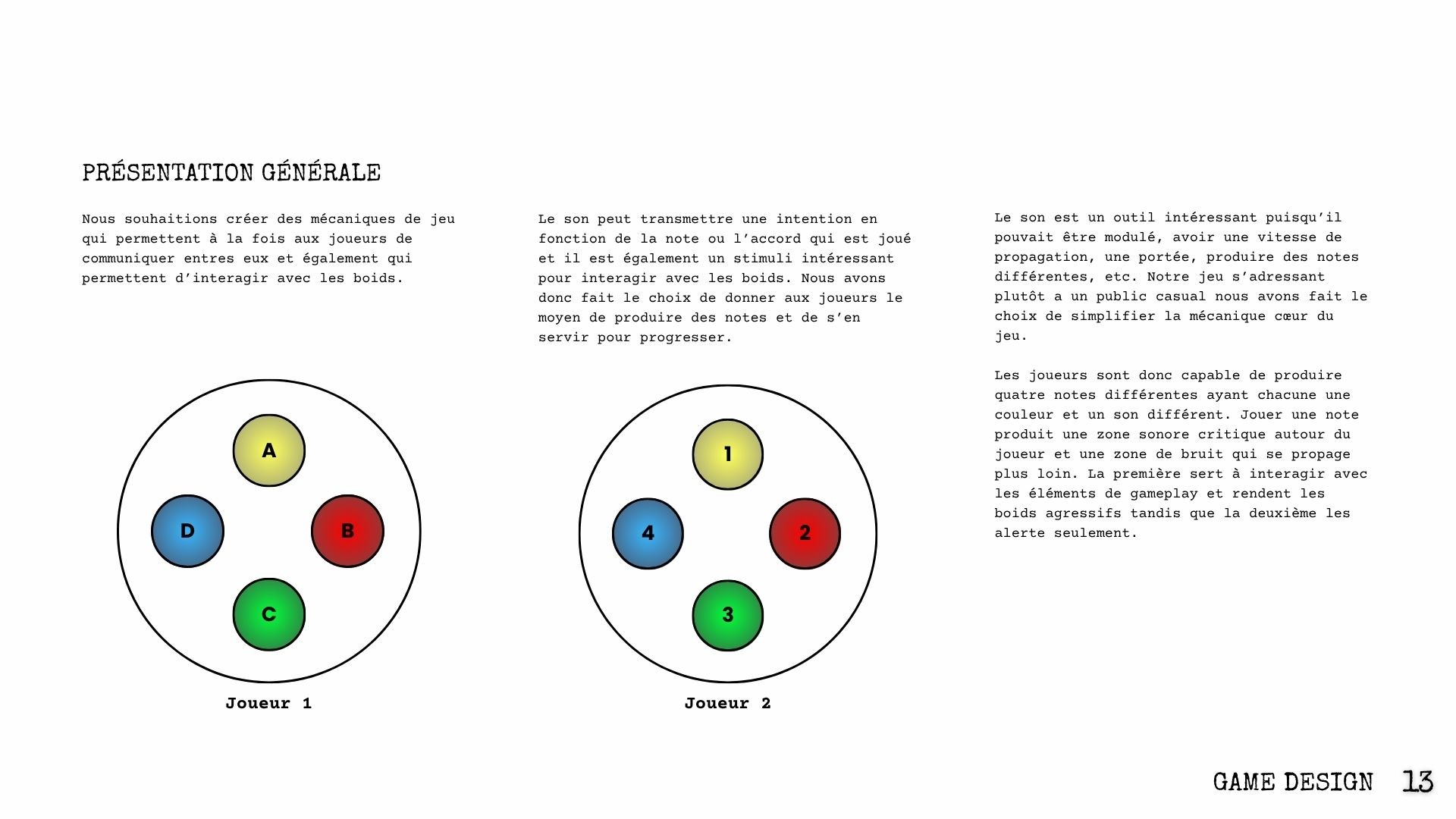
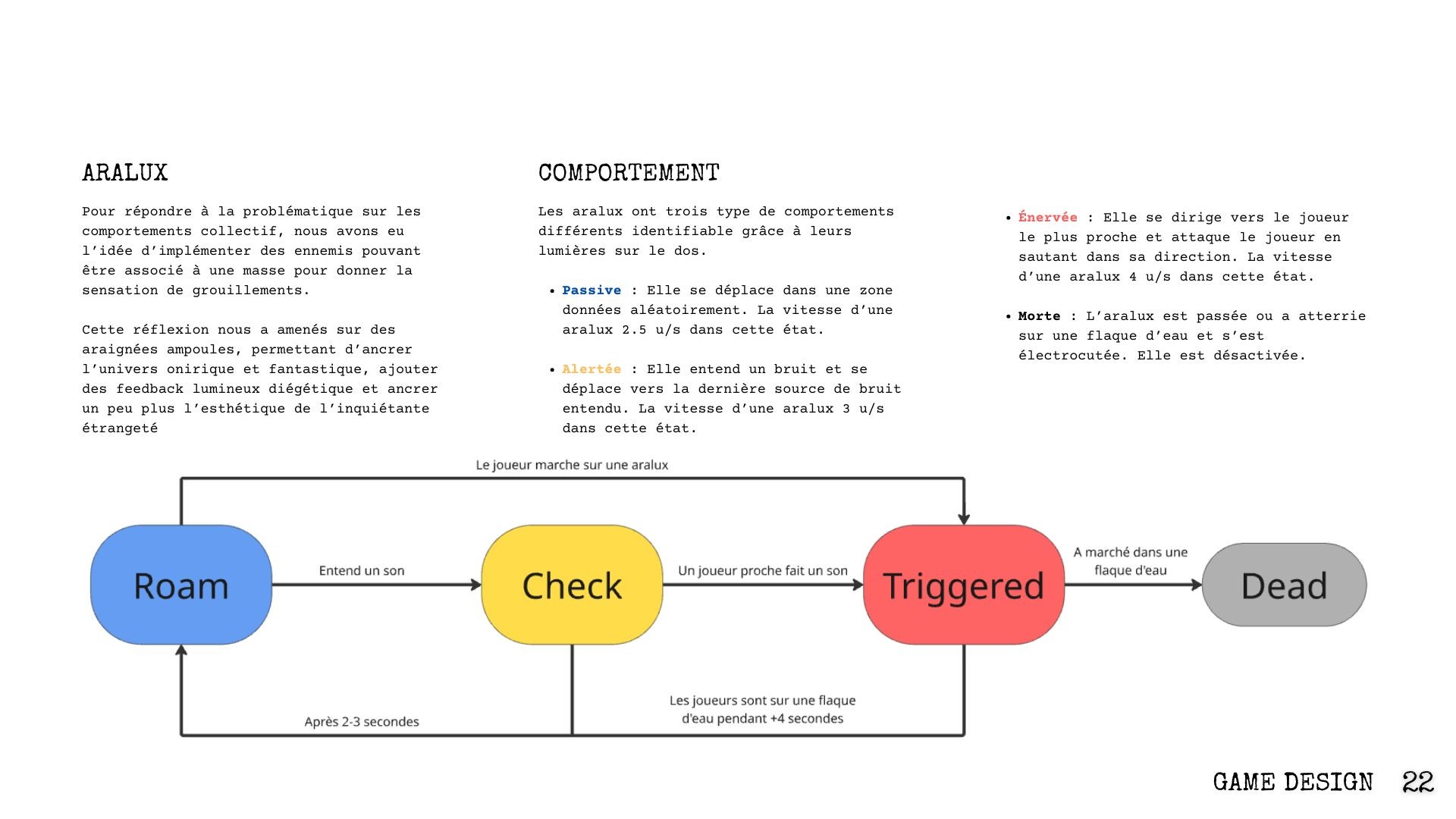
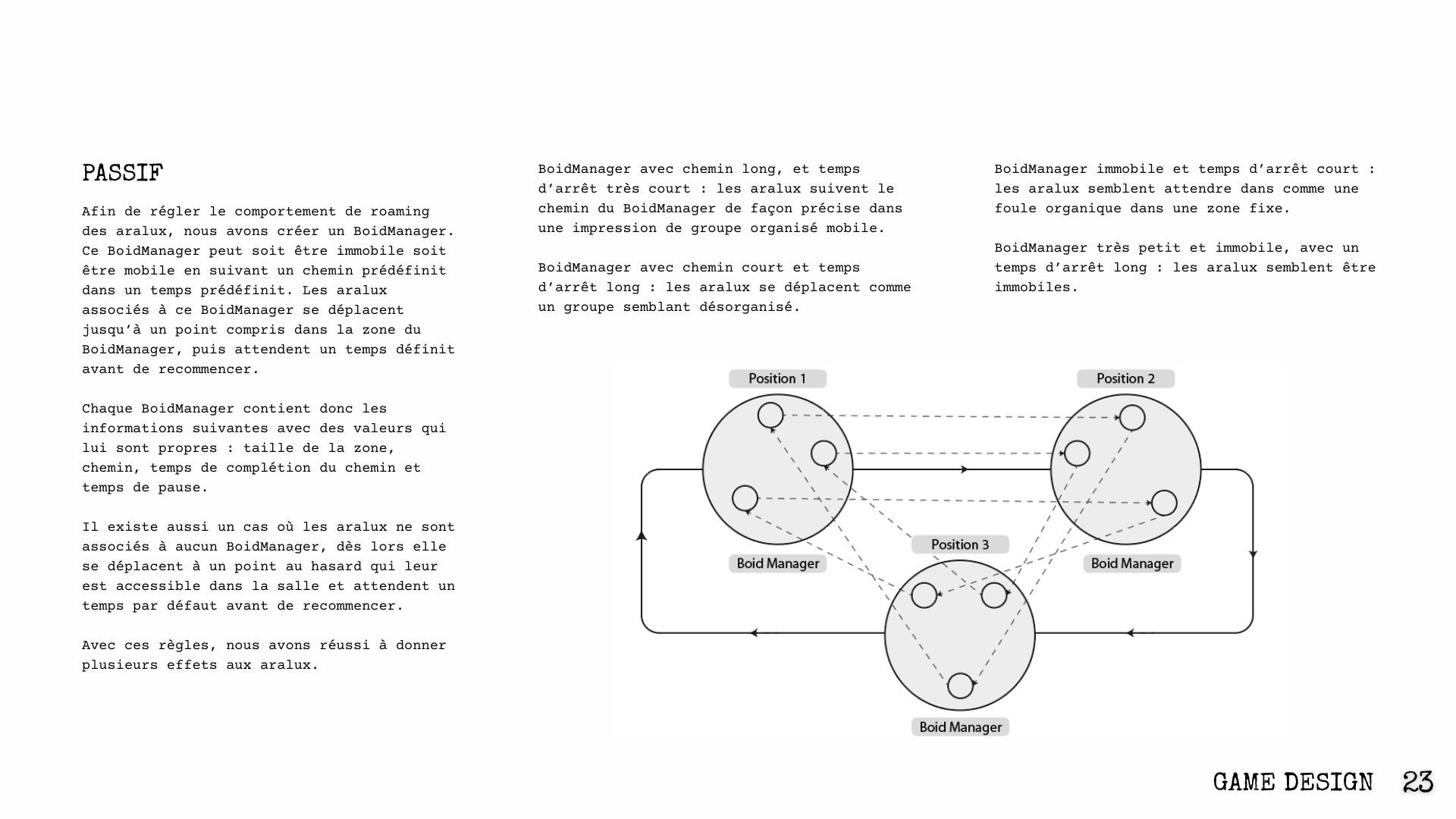
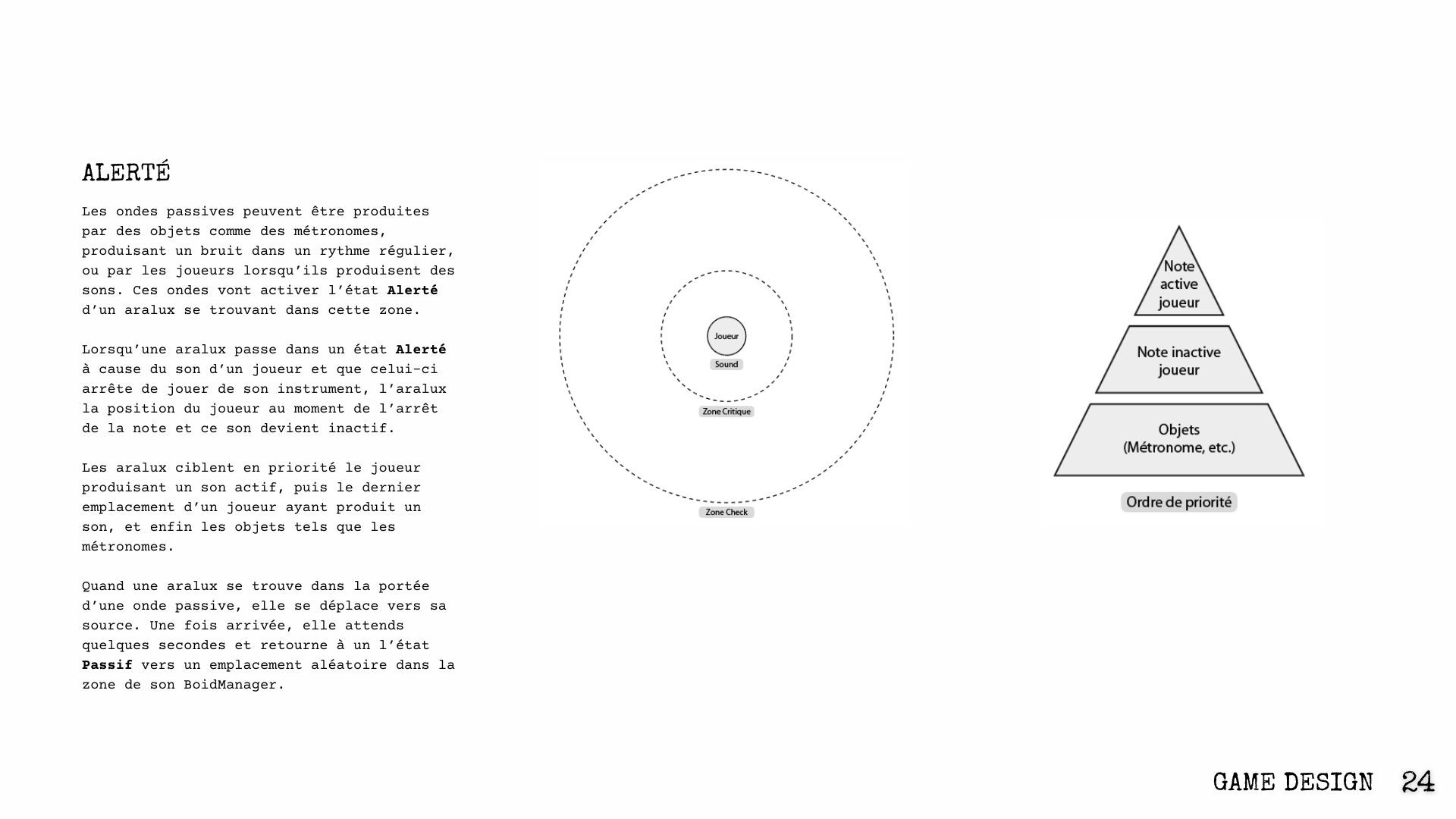
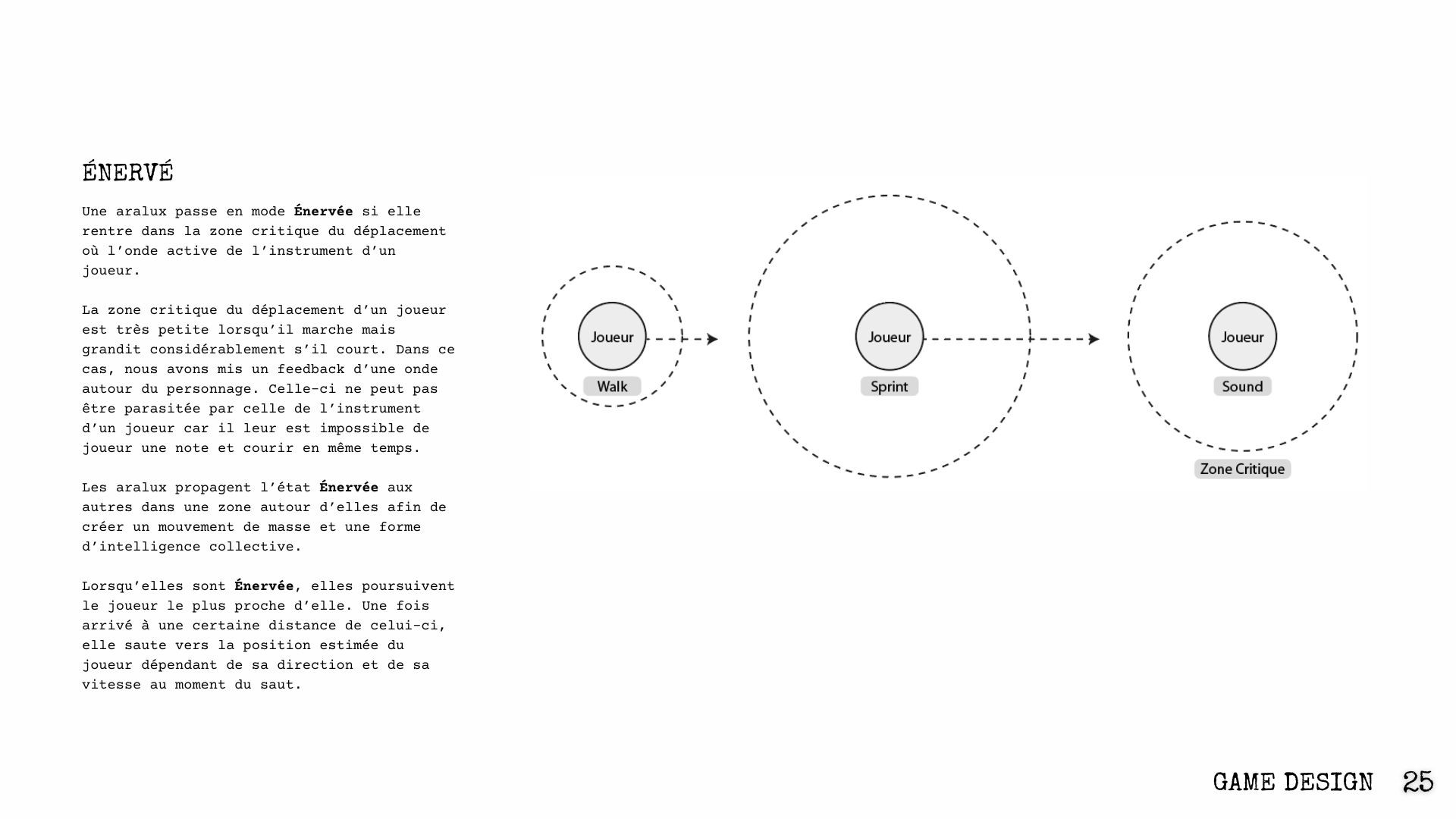
Then, I worked on the behavior of our enemies: the aralux. Since the core mechanic for players revolves around using instruments and producing sound, the Aralux are also attracted to sound. By doing so we created a mechanics loop that was interresting for the game. Their lightbulb-shaped bodies serve as both a visual indicator of their current state and a way to enhance the game's atmosphere. As the game progresses, rooms become darker, and the Aralux contribute to the lighting, reinforcing the tension and ambience.
Old comportement Aralux
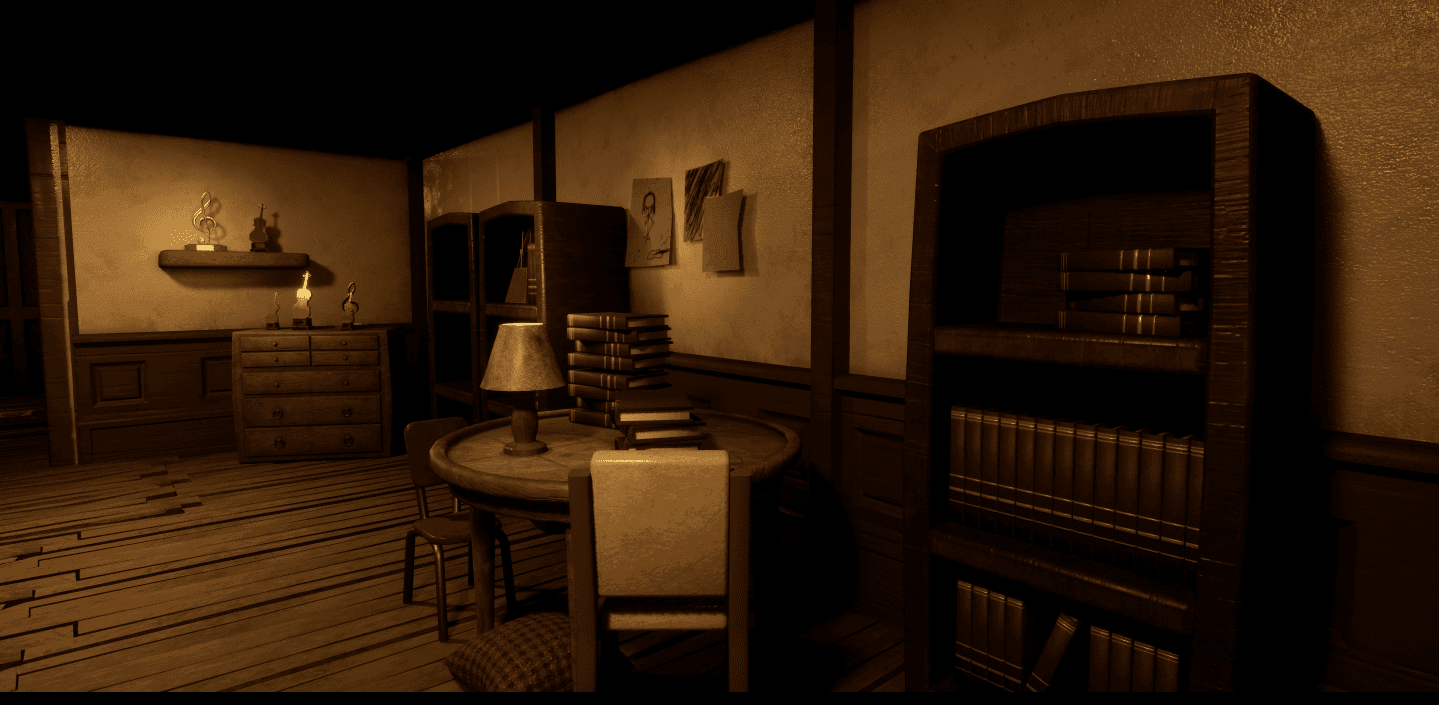
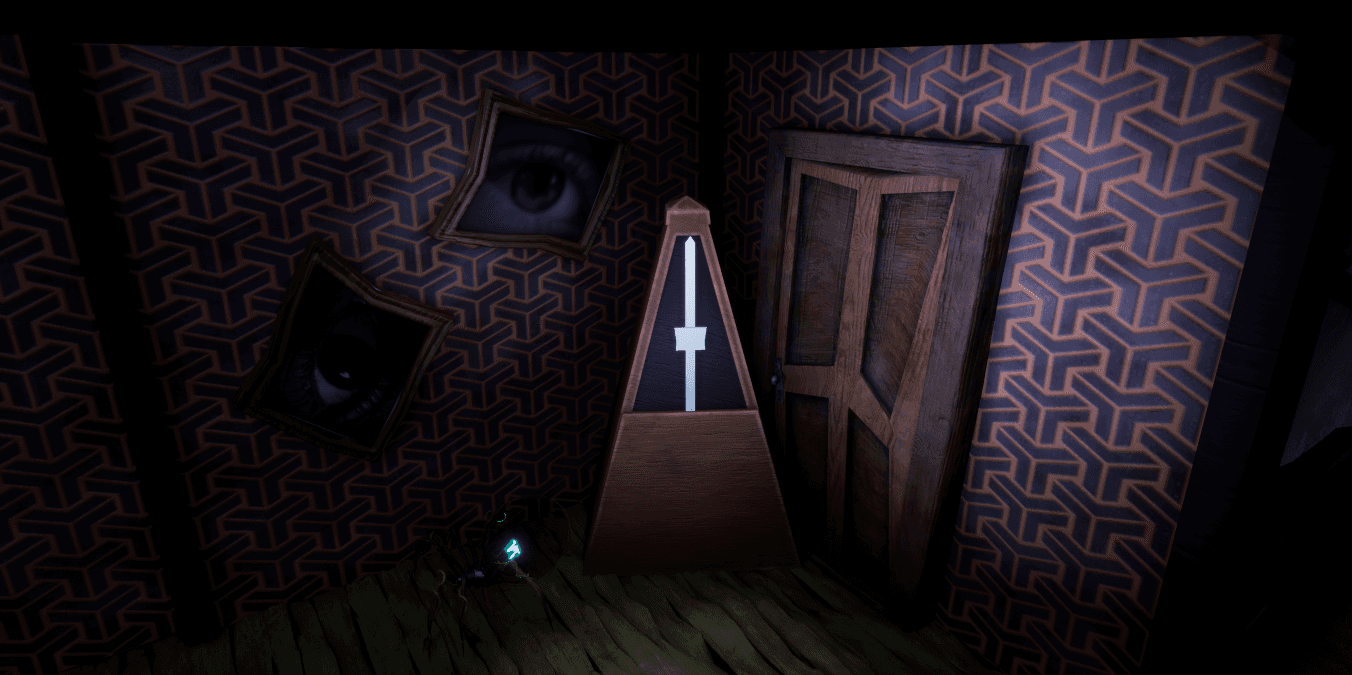
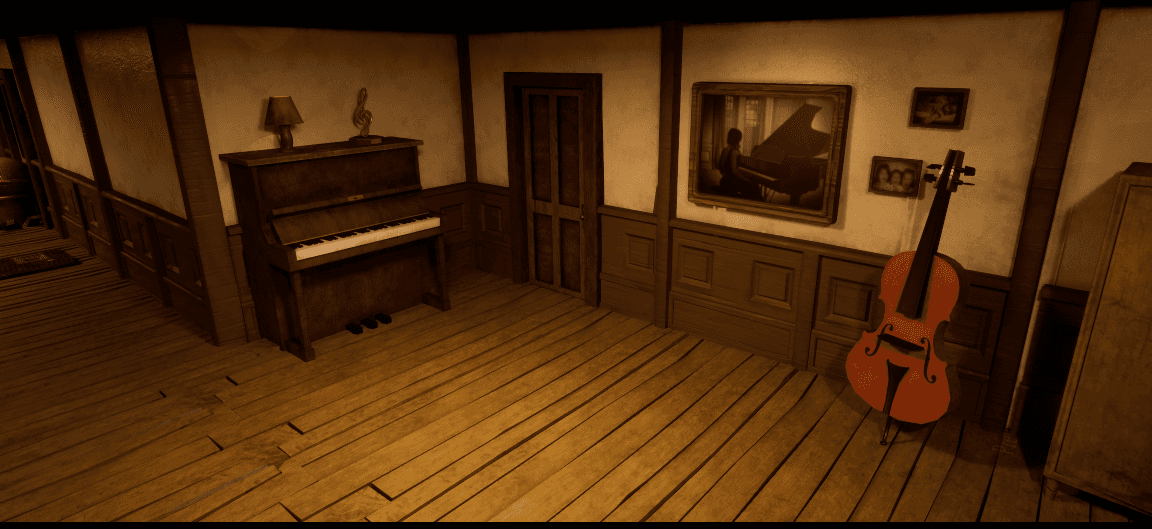
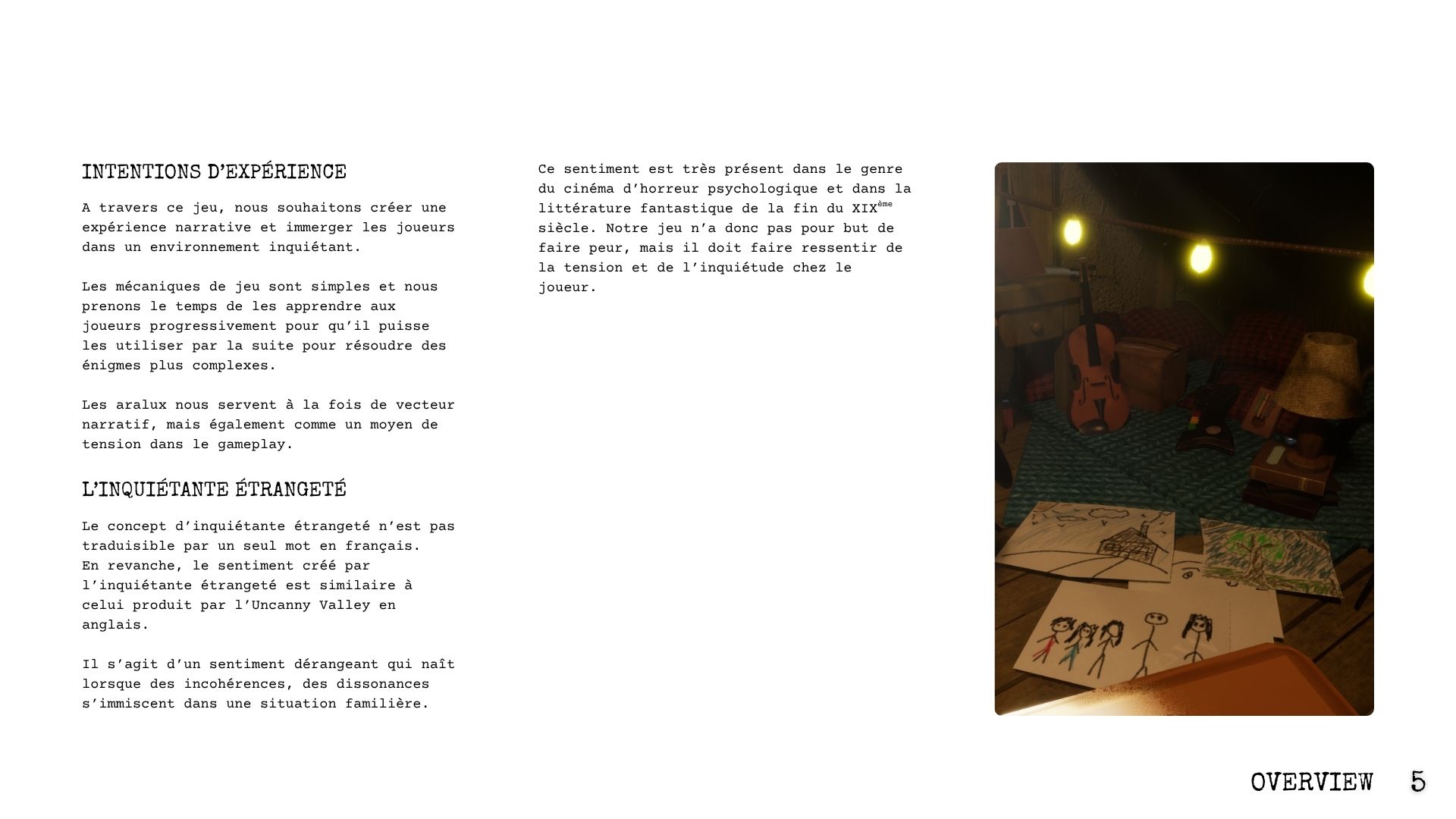
Environment in game
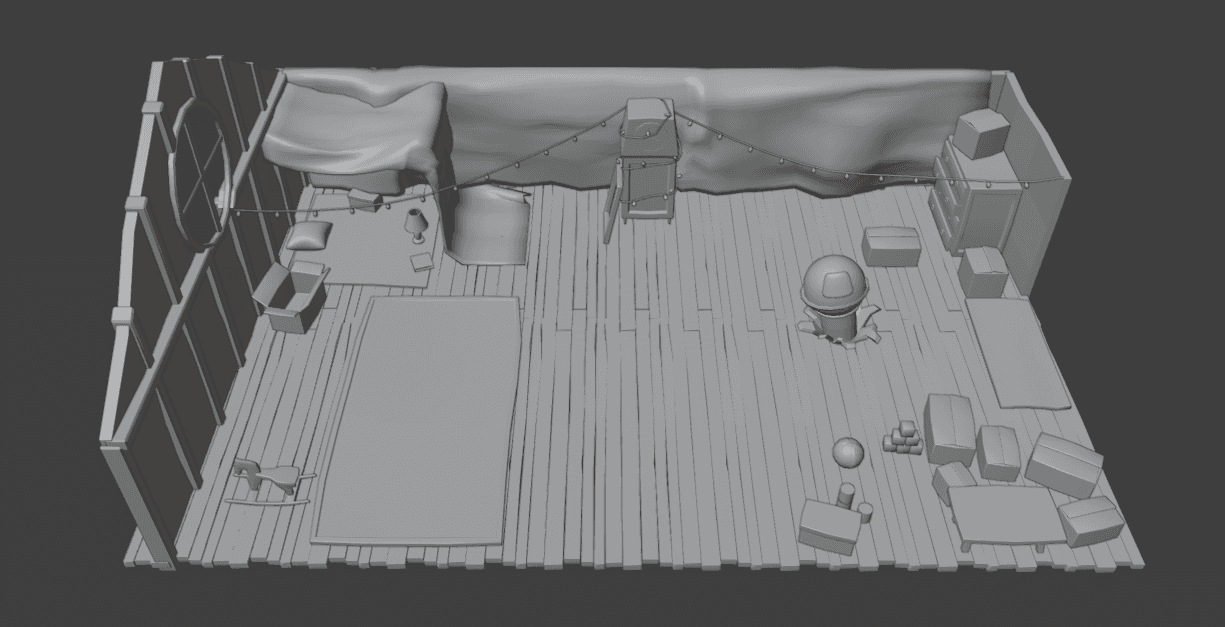
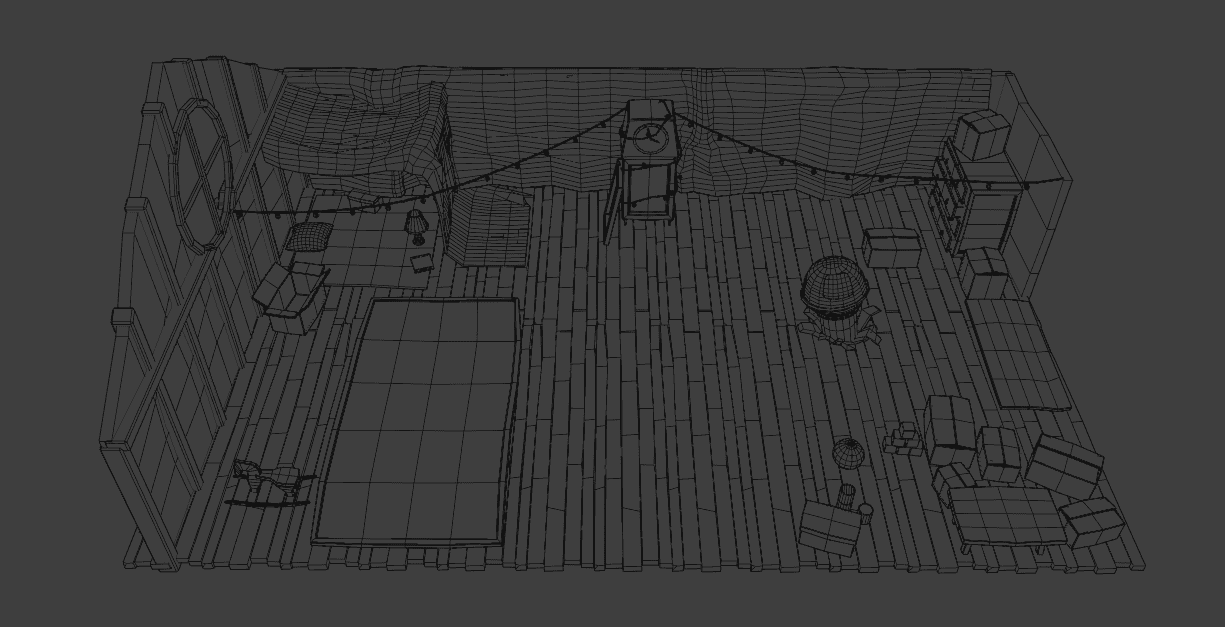
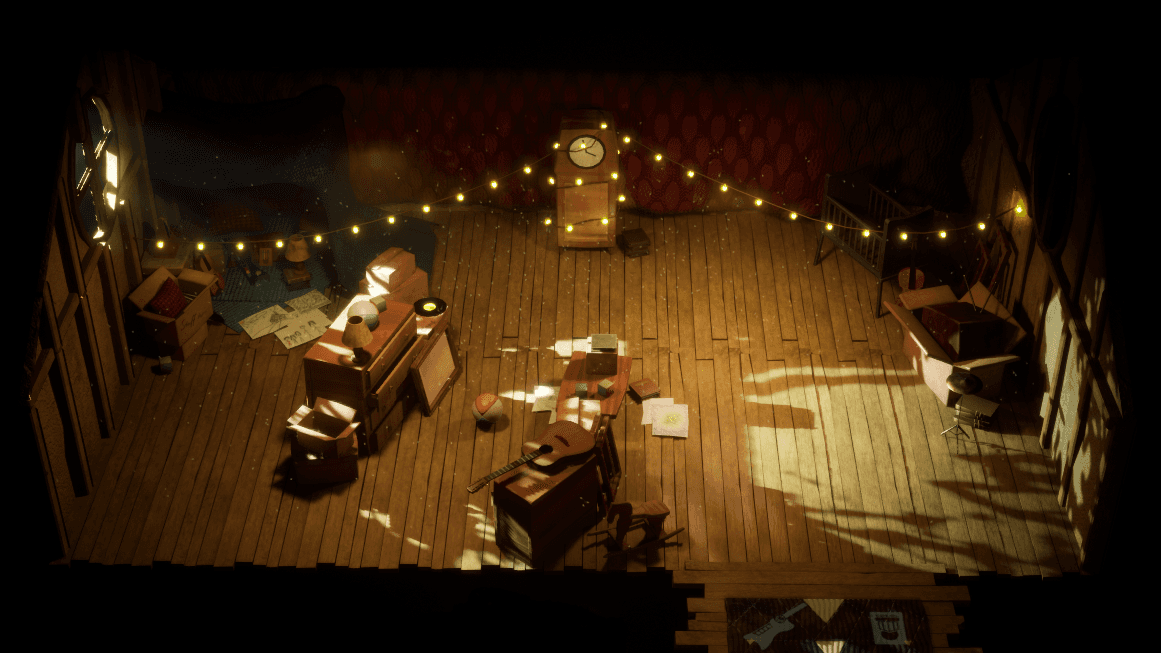
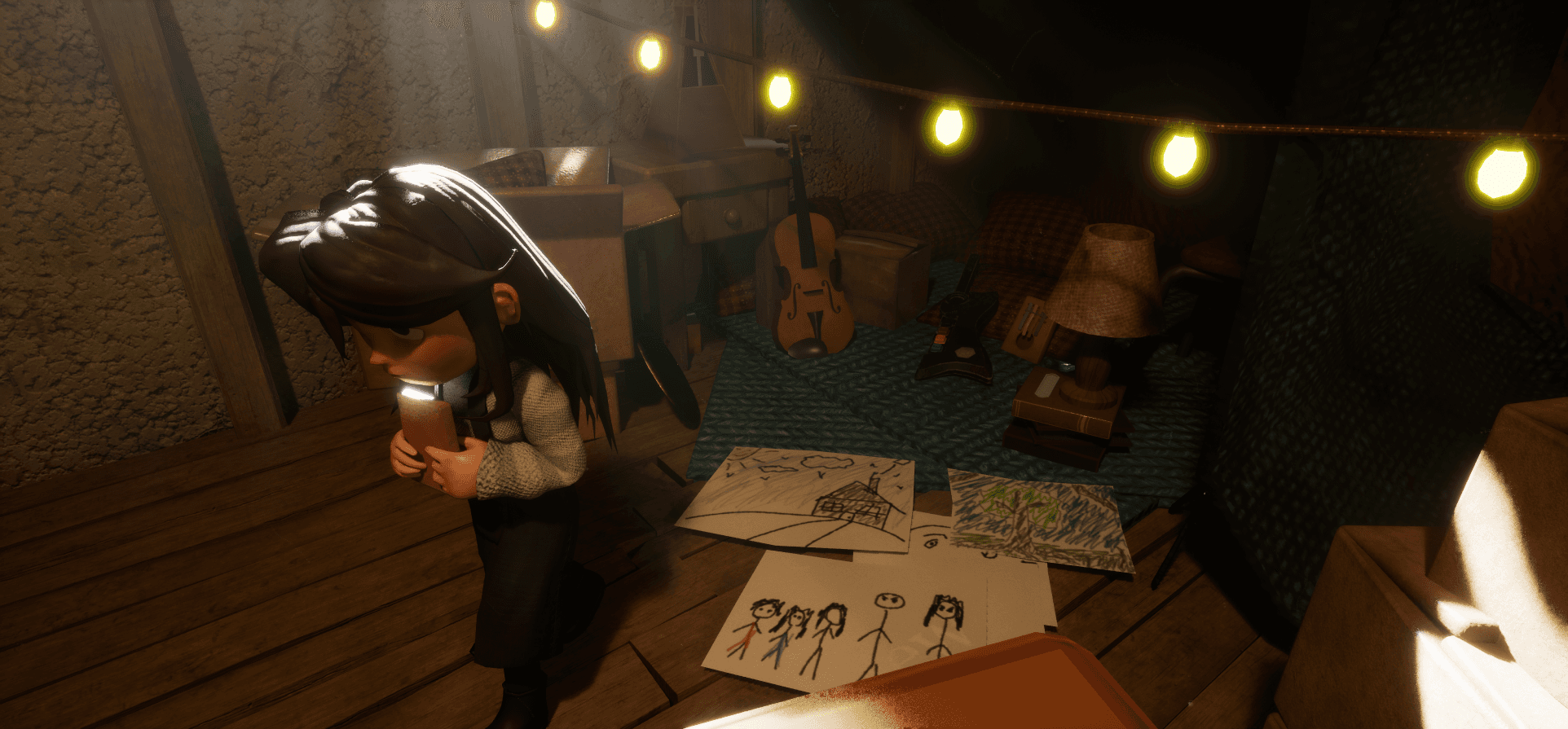
Progression of the attic
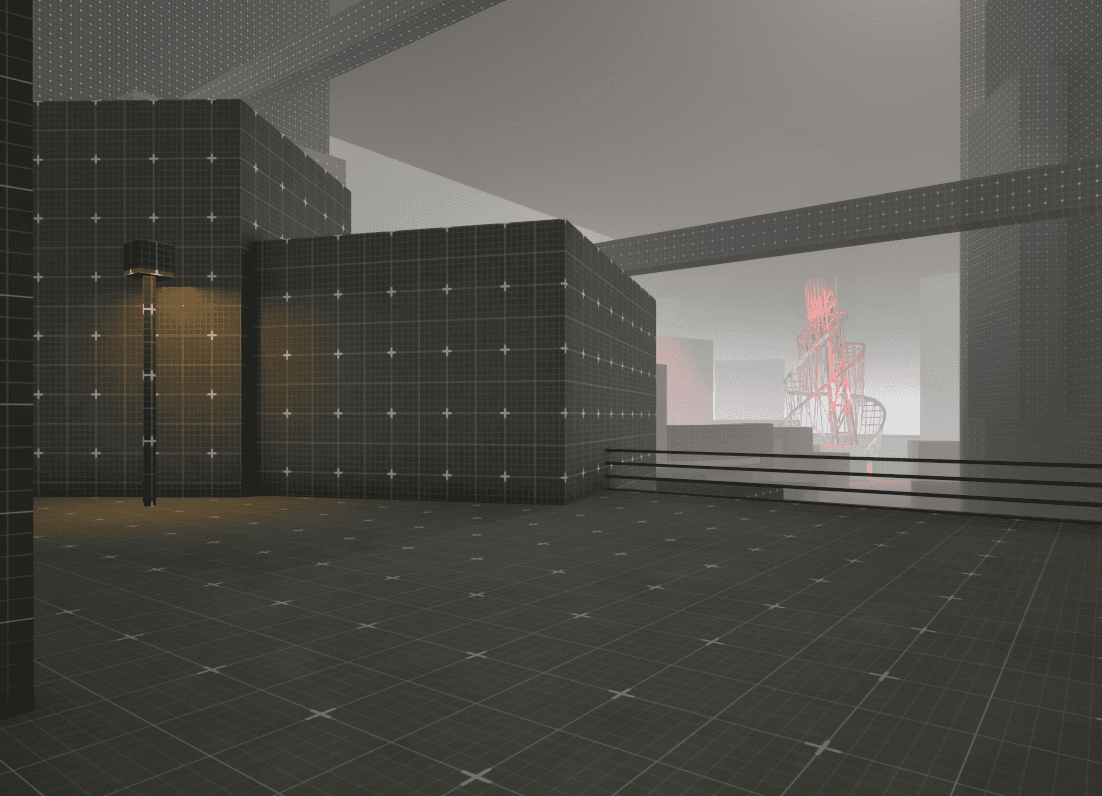
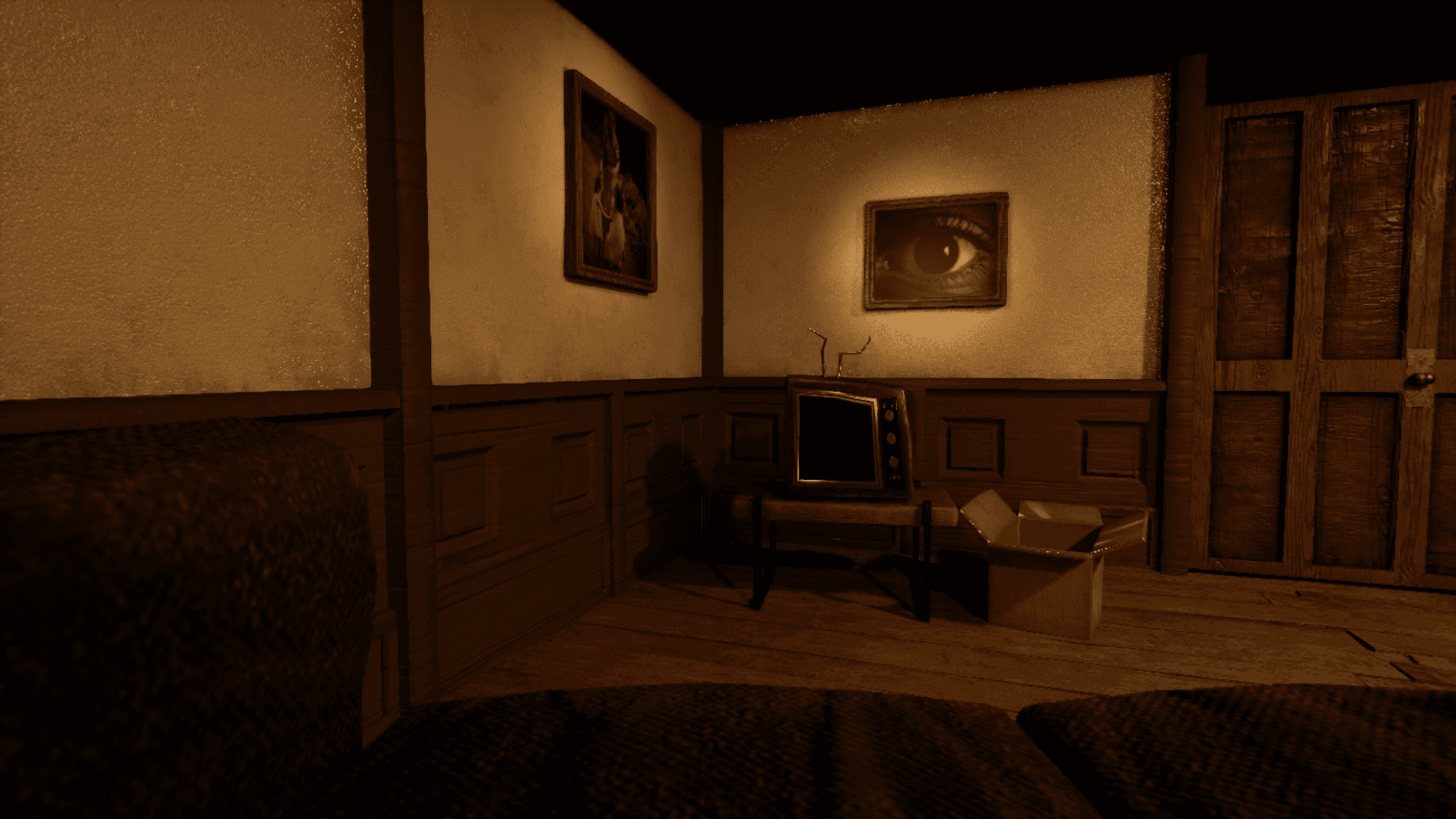
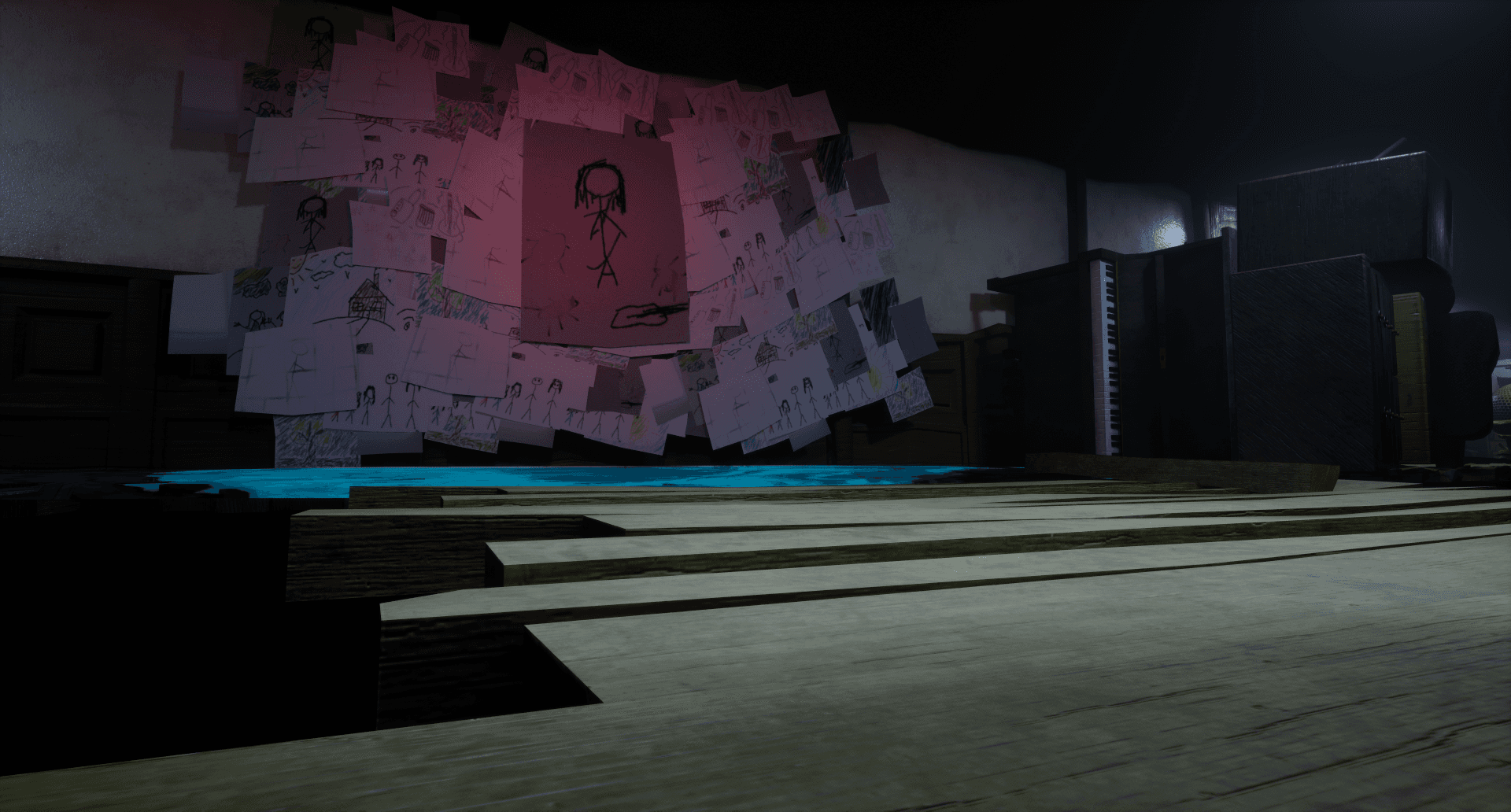
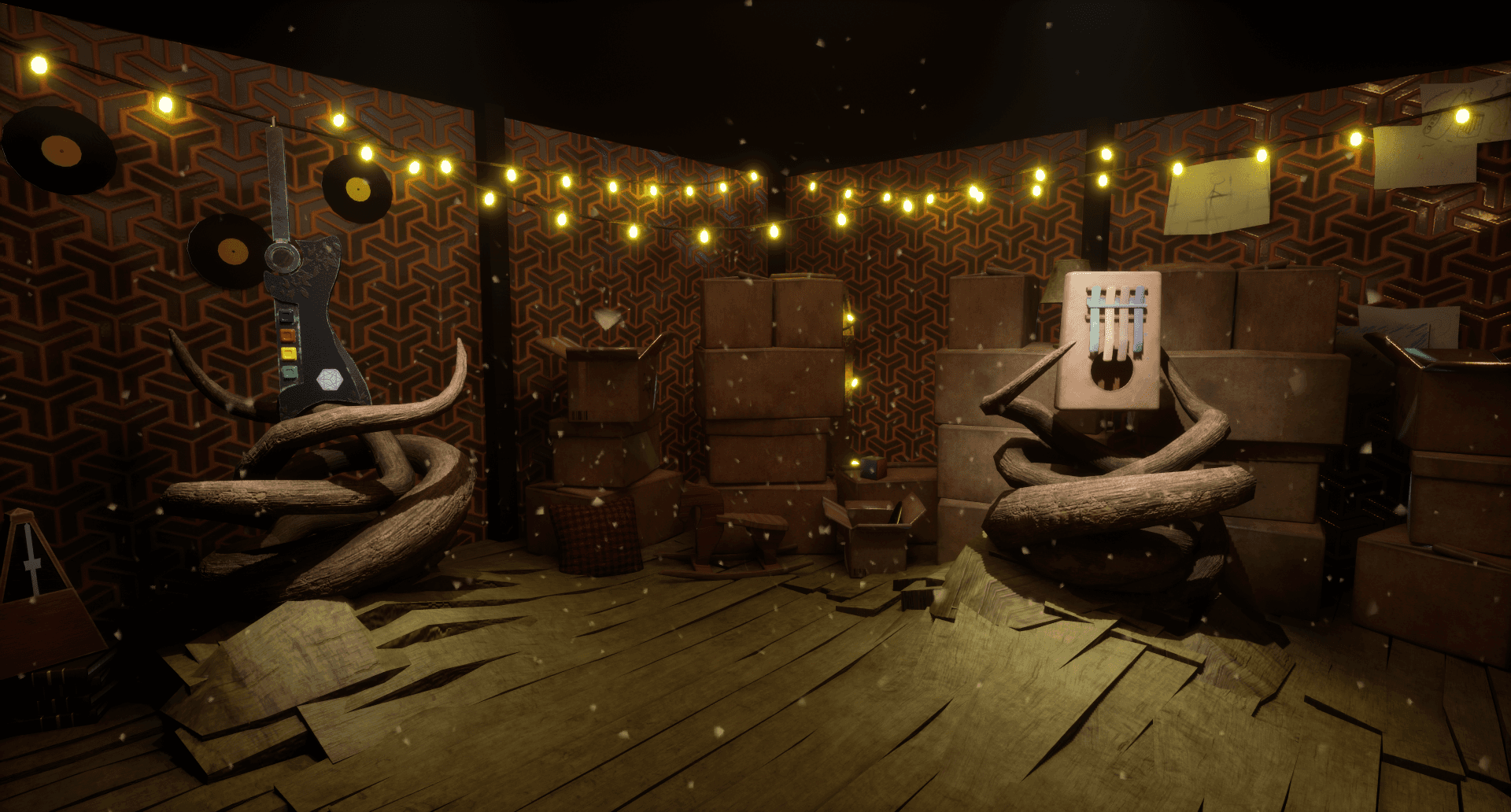
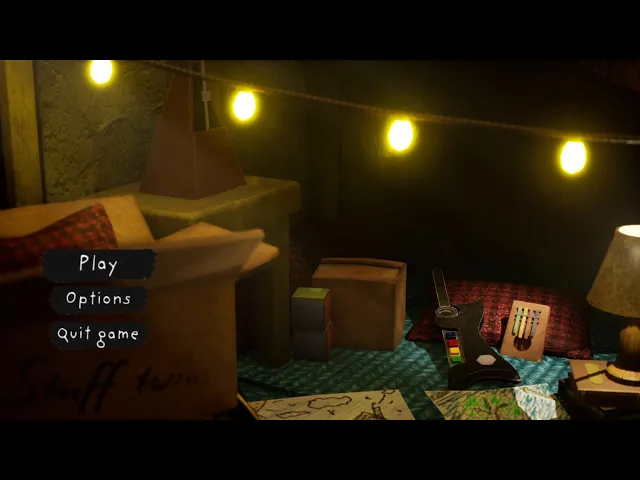
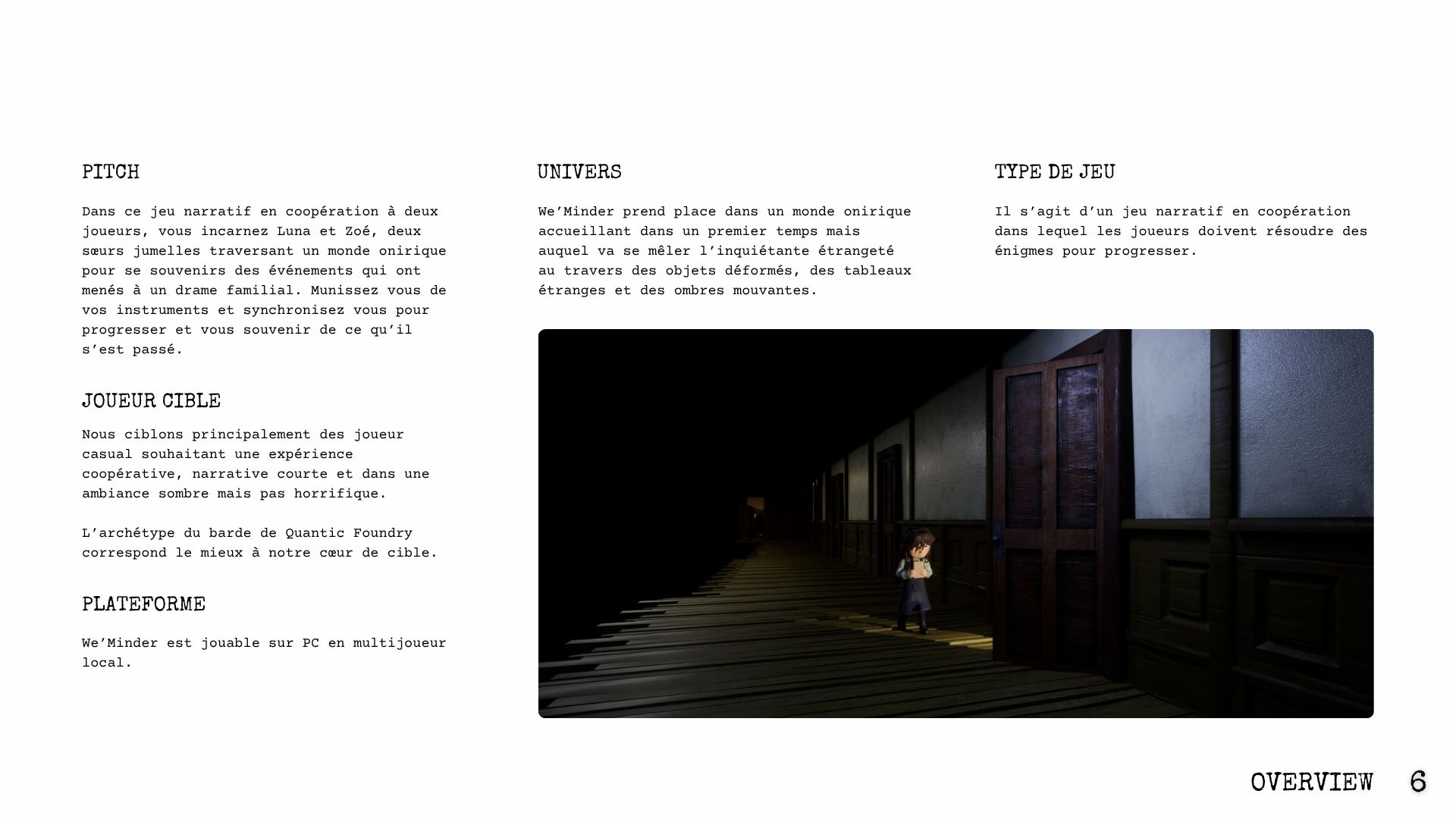
Here is a selection of in-game screenshots showcasing the environment work I created. From asset placement and lighting to layout and atmosphere, each scene was designed to support gameplay flow and enhance player immersion.
Screenshots in game
Complete walkthrough of the game
This full gameplay video showcases the core mechanics, level progression, and cooperative interactions at the heart of the experience. It offers a complete look at how the systems, level design, and player dynamics come together in real-time. Right after the video, you’ll find the Game Design Document, which includes all technical details of the project — from core and extended gameplay loops (OCR) to system diagrams, design rationales, and development processes.
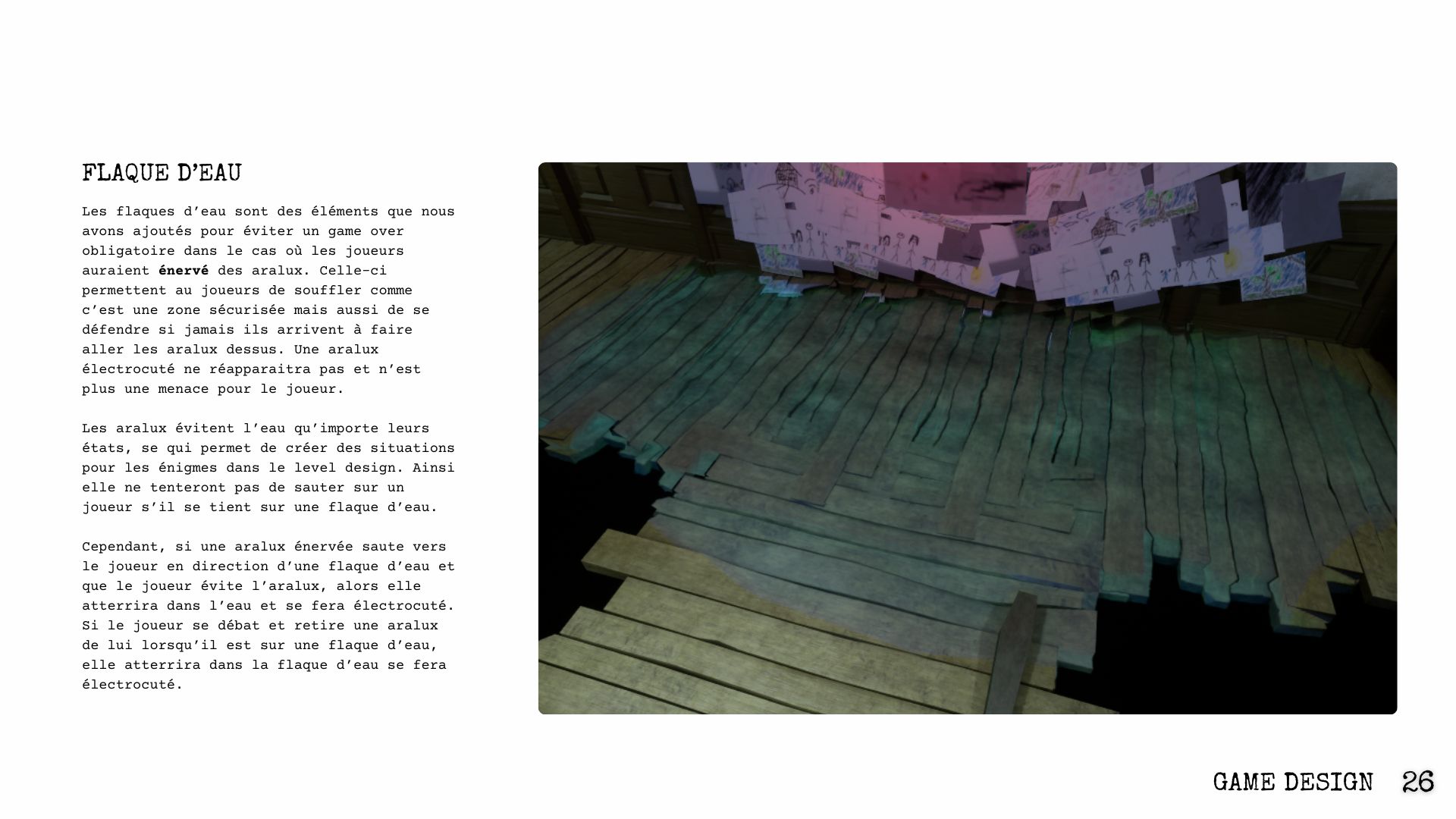
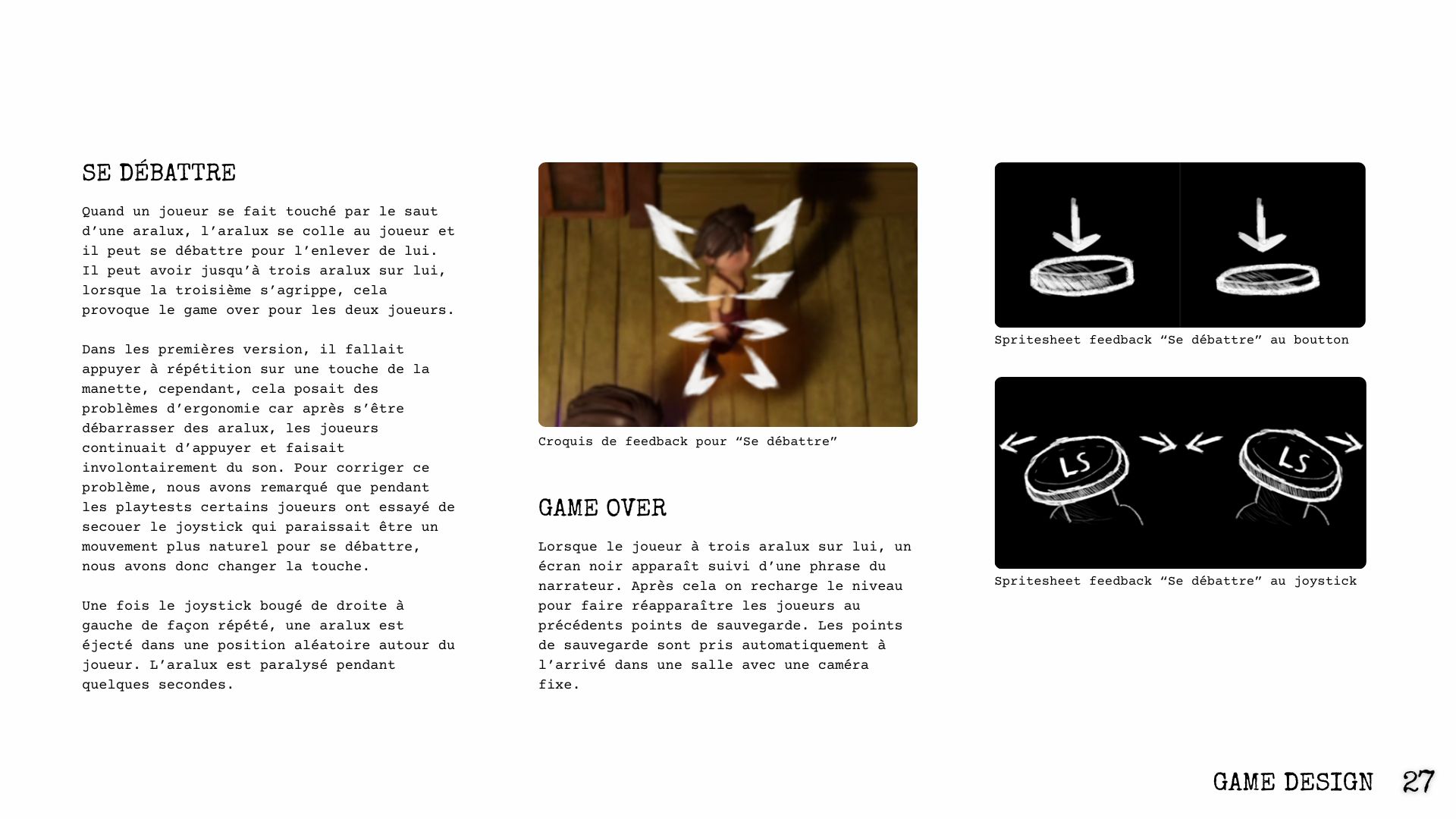
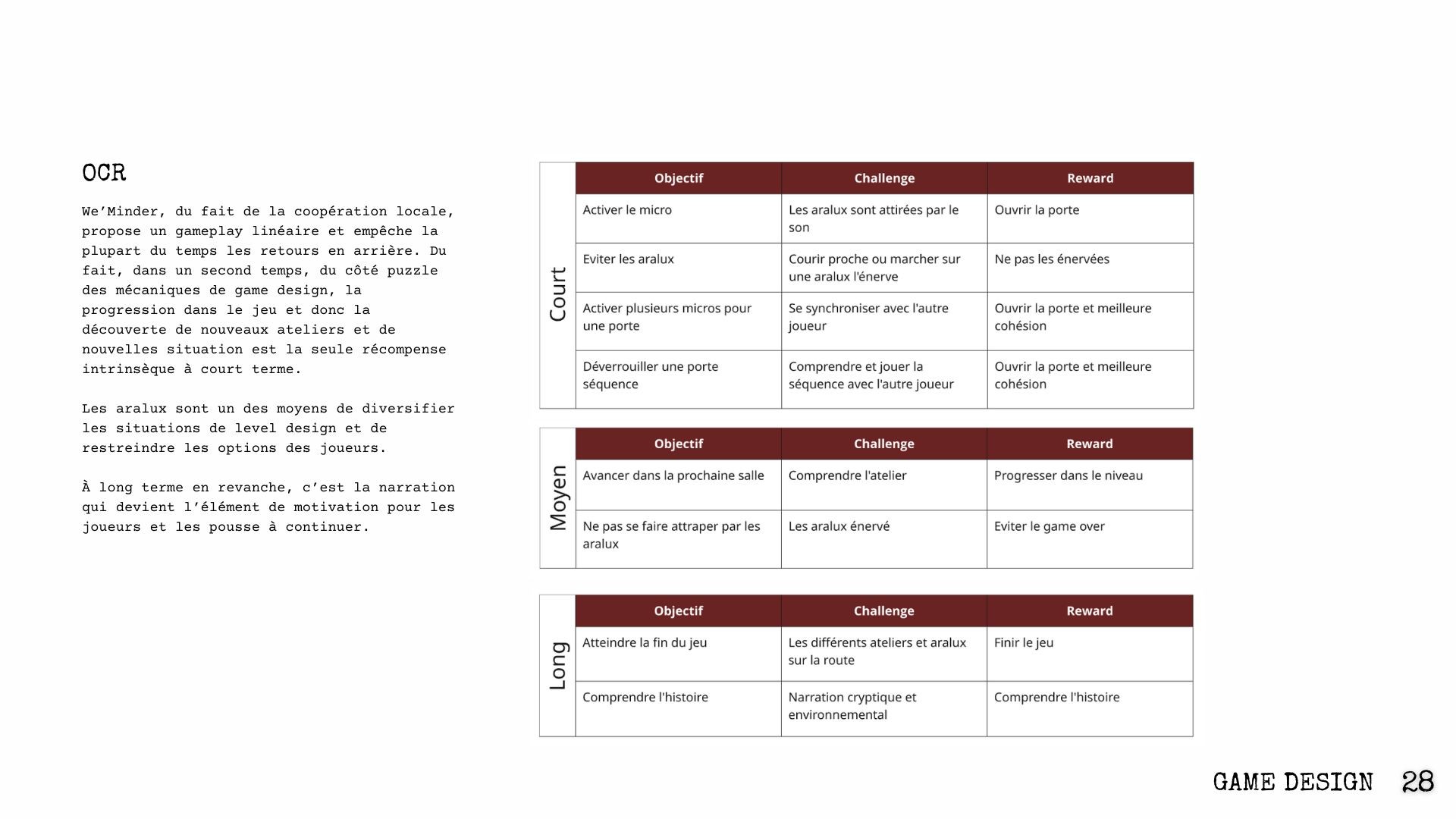
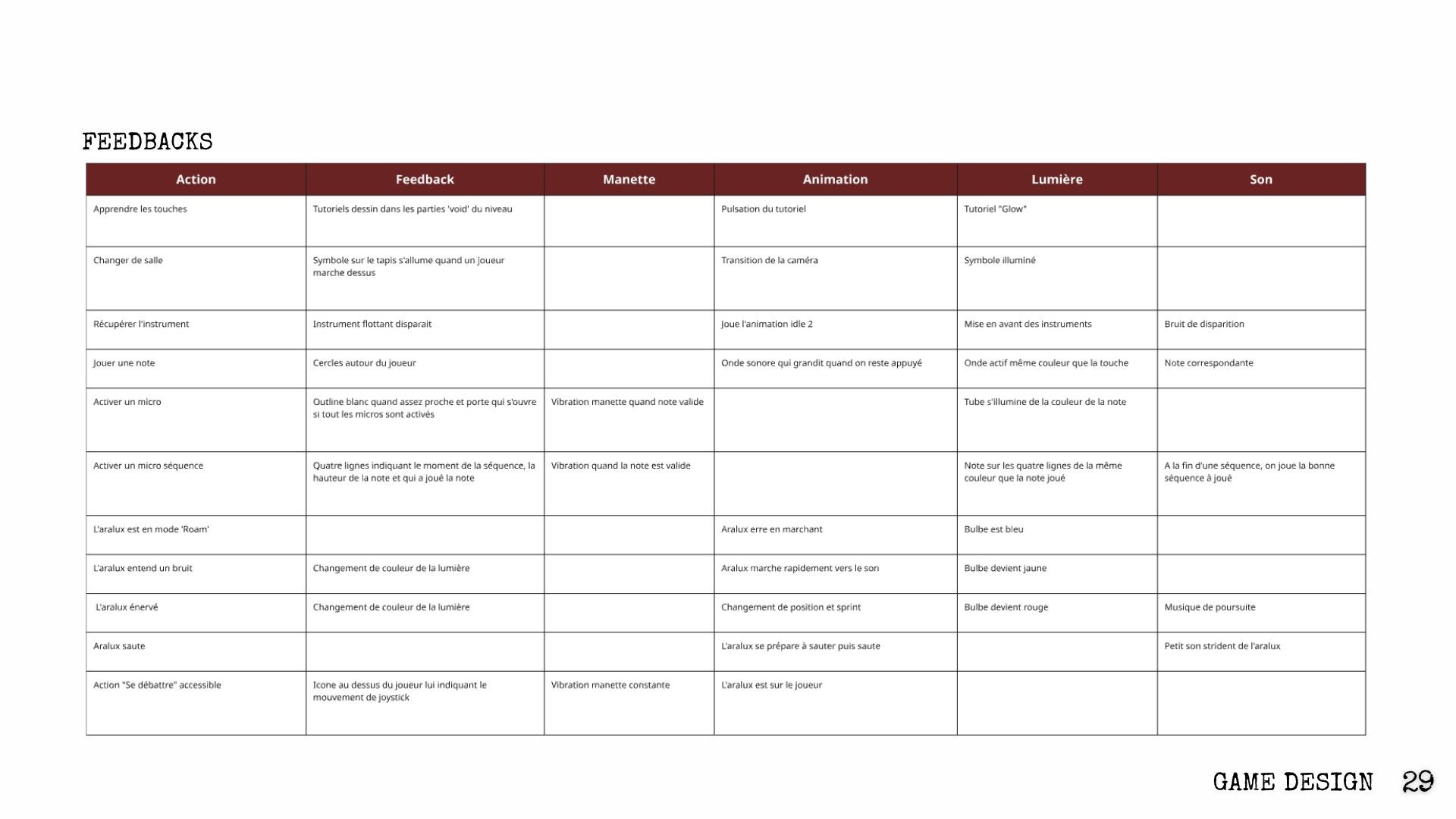
Game Design Document